Every League of Legends player has asked the same question at some point: why does this match feel so unfair? You load into a game, look at your teammates’ ranks, and wonder how the system decided this was a balanced lineup. The answer is buried in a number you’ll never see directly — your matchmaking rating, or MMR.
Riot doesn’t show this rating, but it’s always there, shaping who you play with and against. For some, MMR is a source of endless frustration. For others, the silent hand helps them rise through the ranks. If you’re serious about climbing, understanding how this hidden system works is one of the most important steps you can take.
What MMR Actually Does
Think of MMR as your hidden skill score. Win games, and it goes up. Lose games and it goes down. It's pretty simple on the surface, but how it affects matchmaking makes it powerful — and sometimes confusing.
When you queue, the system isn’t just checking your visible rank. It’s also looking at your MMR to match you against players of a similar hidden rating. That’s why a Gold player can sometimes face Platinums, or why you might see an unranked account with surprising skill. The system tries to balance both rank and hidden rating to create fair matches.
Why Rank and MMR Don’t Always Match
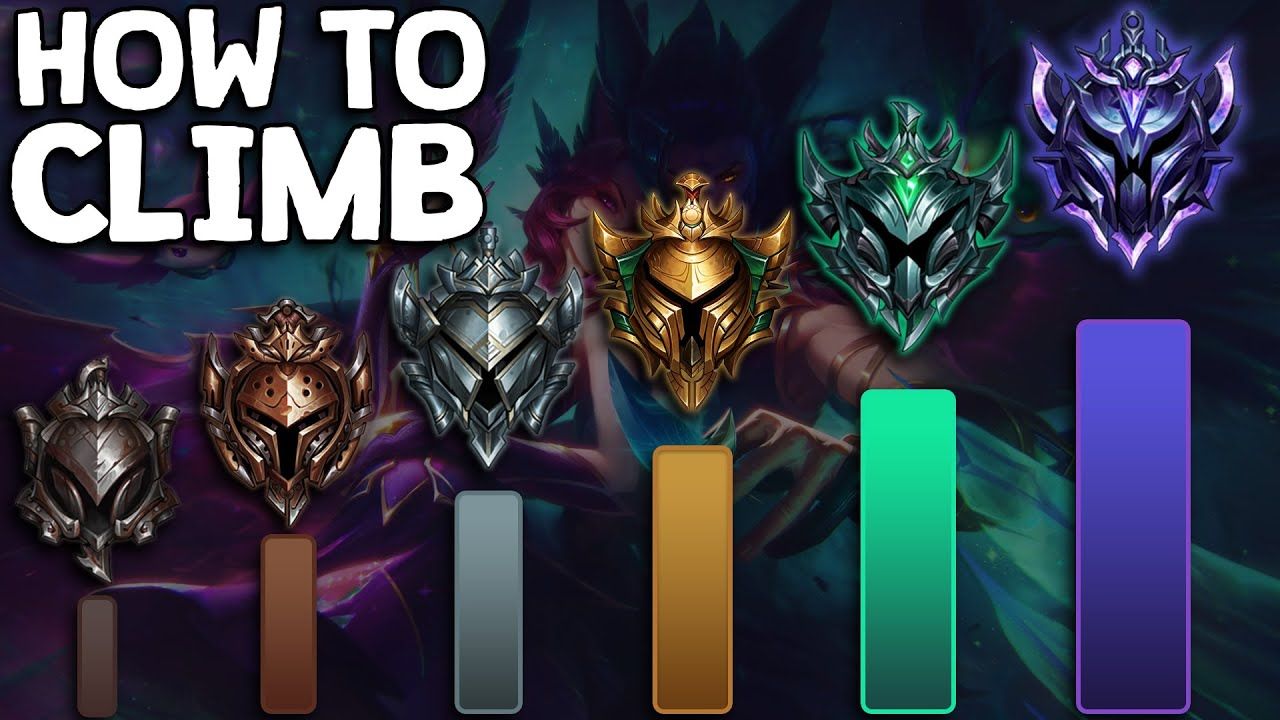
Here’s where it gets tricky. Your visible rank doesn’t always line up with your MMR. You might be Gold III with Platinum-level MMR, which is why you suddenly gain 25 LP per win. On the flip side, you could be sitting at Diamond IV but only getting 15 LP for victories. The system believes you’re lower than your displayed rank, so it slows your climb.
This gap explains why climbing can feel inconsistent. The good news? Over time, your visible rank usually catches up to your MMR. The bad news? “Over time” can feel like forever when you’re grinding through tough matches.
Trust and Oversight in Gaming
Competitive games run on trust. Players need to believe that the system is fair, even if it’s not perfect. When that trust breaks down, frustration sets in fast. Riot knows this, which is why they use MMR as a safeguard against completely unbalanced lobbies.
That need for oversight isn’t unique to esports. In other areas of gaming, rules and regulations exist to protect participants and keep competition credible. For example, if you look into Costa Rica casino license information, you’ll see how licensing sets standards for fairness, player protection, and accountability. It’s a different industry, but the principle is the same: systems need structure and oversight to keep people playing with confidence.
League’s matchmaking might not be perfect, but the reason millions keep queuing up every day is because the foundation of trust is still there. Without that, ranked play would collapse under its own weight.
The Climb and the Mind
Understanding MMR is one thing. Dealing with the emotions of ranked play is another. Anyone who has spent a season grinding knows the mental strain of watching LP vanish after a losing streak.
Here are some ways to stay steady when the climb feels like a slog:
Avoid tilt spirals. After two or three bad games, step away. Playing tilted only feeds the system more losses.
Stop staring at LP. Obsessing over numbers makes every defeat sting more. Focus on the decisions in-game, not just the end screen.
Own your part. It’s easy to blame teammates, but the fastest way to improve is by looking at your own mistakes first.
Track progress differently. Watch for better CS numbers, stronger vision scores, or cleaner teamfight decisions. These gains matter more long-term than short-term LP shifts.
Climbing isn’t only about mechanics. It’s about learning to control your own mindset, even when the game feels out of your hands.
Practical Ways to Improve Your MMR
Riot’s system rewards consistency, and the players who climb fastest are often those who play smart, not just mechanically well. If your goal is to push your MMR higher, here are a few reliable approaches:
Play a small champion pool. Knowing three champs inside out is better than juggling ten at a mediocre level.
Stick to one role. Jumping between jungle, support, and top spreads your focus too thin.
Play in blocks. Many experienced players set a limit, like three games per session. It helps avoid fatigue and reduces tilt.
Check your replays. Even five minutes of review can show you where a match slipped away.
Use MMR tools. Third-party checkers give you a ballpark idea of your hidden rating, so you know if the system thinks you’re trending up or down.
These may sound simple, but over a season, they add up to meaningful progress.
Why MMR Matters More Than LP
LP feels like the only measure of success, but it’s really just a reflection of your hidden MMR. Think of LP as the surface, while MMR is the current underneath. If your MMR is strong, you’ll climb no matter what. The system will nudge you toward higher ranks through bigger LP gains.
If your MMR is low, though, climbing feels like walking uphill in mud. Each win gives you less LP than you lose on defeats, and the grind becomes discouraging. This is why focusing on performance and improvement is more valuable than obsessing over visible points. The hidden rating is what decides where you end up by season’s end.
Closing Thoughts
Climbing ranked in League of Legends can be a test of patience, resilience, and adaptability. The MMR system may be invisible, but it has an enormous influence on your experience. Once you accept that it’s there to create balance — even if it sometimes misses the mark — you can focus less on frustration and more on improvement.
Fair competition relies on trust. In League, that trust comes from Riot’s hidden matchmaking rules. In other areas of gaming, it comes from licensing and regulation. Both systems exist for the same reason: to keep players engaged and confident that the game is worth their time.
So the next time you queue up, remember — every match is shaping not just your LP, but your hidden MMR. And with steady play, clear focus, and a bit of patience, you’ll see yourself climbing toward the rank you’ve been aiming for.