League of Legends (LoL) is widely known for its fast-paced gameplay, complex strategies, and high-level teamwork. For many players, the skills they develop in the Summoner’s Rift transcend LoL and become valuable assets in other games. Whether you’re transitioning to first‑person shooters, real‑time strategy titles, or cooperative multiplayer experiences, numerous abilities honed in League, such as game sense, resource management, and communication, play a pivotal role. This article explores several essential skills cultivated in LoL and demonstrates how they translate across diverse gaming experiences.
Game Sense and Strategic Awareness
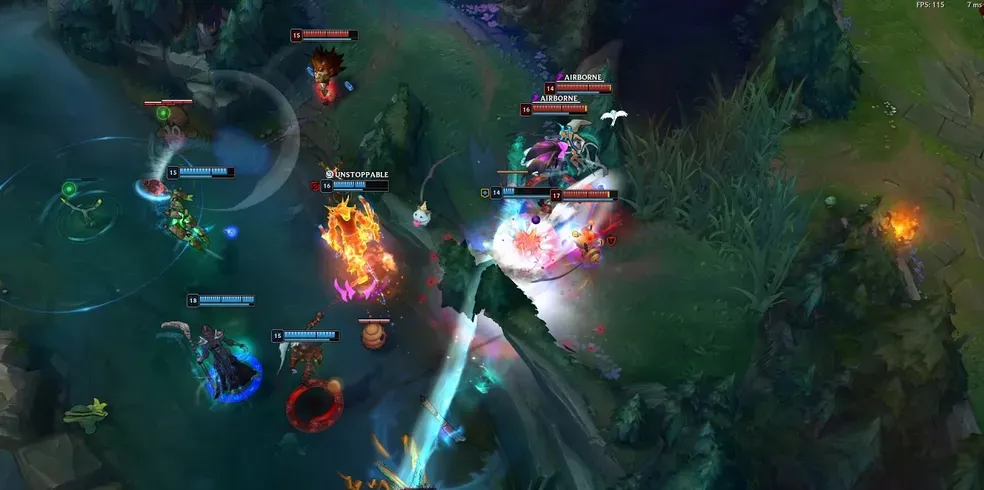
One of the most important skills in League of Legends is game sense, the intuitive understanding of what is happening around the map, including enemy movements, objectives, and momentum shifts. This ability emerges from consistently reading visual cues, tracking cooldowns, and predicting opponent behavior. In LoL, map awareness determines the difference between turning a losing fight into a game‑winning opportunity and falling victim to an unexpected ambush.
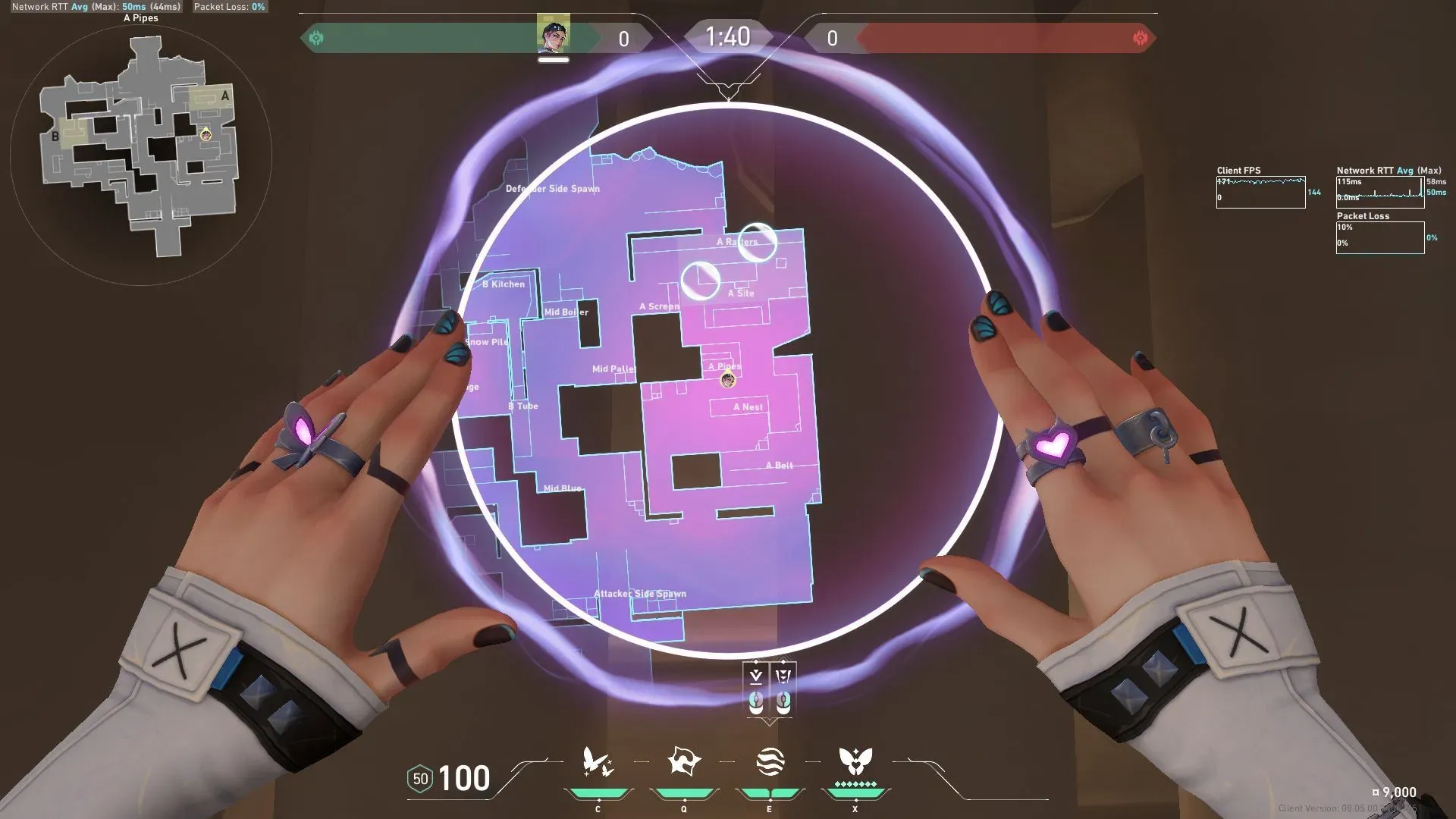
This same game sense translates seamlessly into other genres. In first‑person shooters like Valorant or Counter‑Strike, anticipating enemy positions, predicting rotations, and managing sightlines are crucial. LoL players excel here because they are accustomed to reading the map and gauging opponent tendencies. Similarly, strategy games such as Warcraft or Age of Empires demand a constant assessment of your threat environment, scouting information, and timing attacks. The moment‑to‑moment adaptations become second nature because players have already trained their predictions, risk evaluations, and situational updates in LoL’s dynamic battlefield.
This type of strategic thinking isn’t just useful in traditional video games, it also shows up in other decision-based formats where reading the field and adapting quickly can make all the difference. Whether it’s anticipating a bluff or calculating the odds of a winning hand, the core skillset remains surprisingly similar.
iGaming expert Gavin Beech notes that experienced gamers often feel right at home in Texas online poker rooms, where sharp instincts and real-time judgment are just as valuable as they are in games like LoL. If you enjoy competitive thinking, you'll find many poker sites perfect for a quick game. They let you pick how much you want to play for and often throw in extra cash for new folks.
Multi‑Tasking and Resource Management
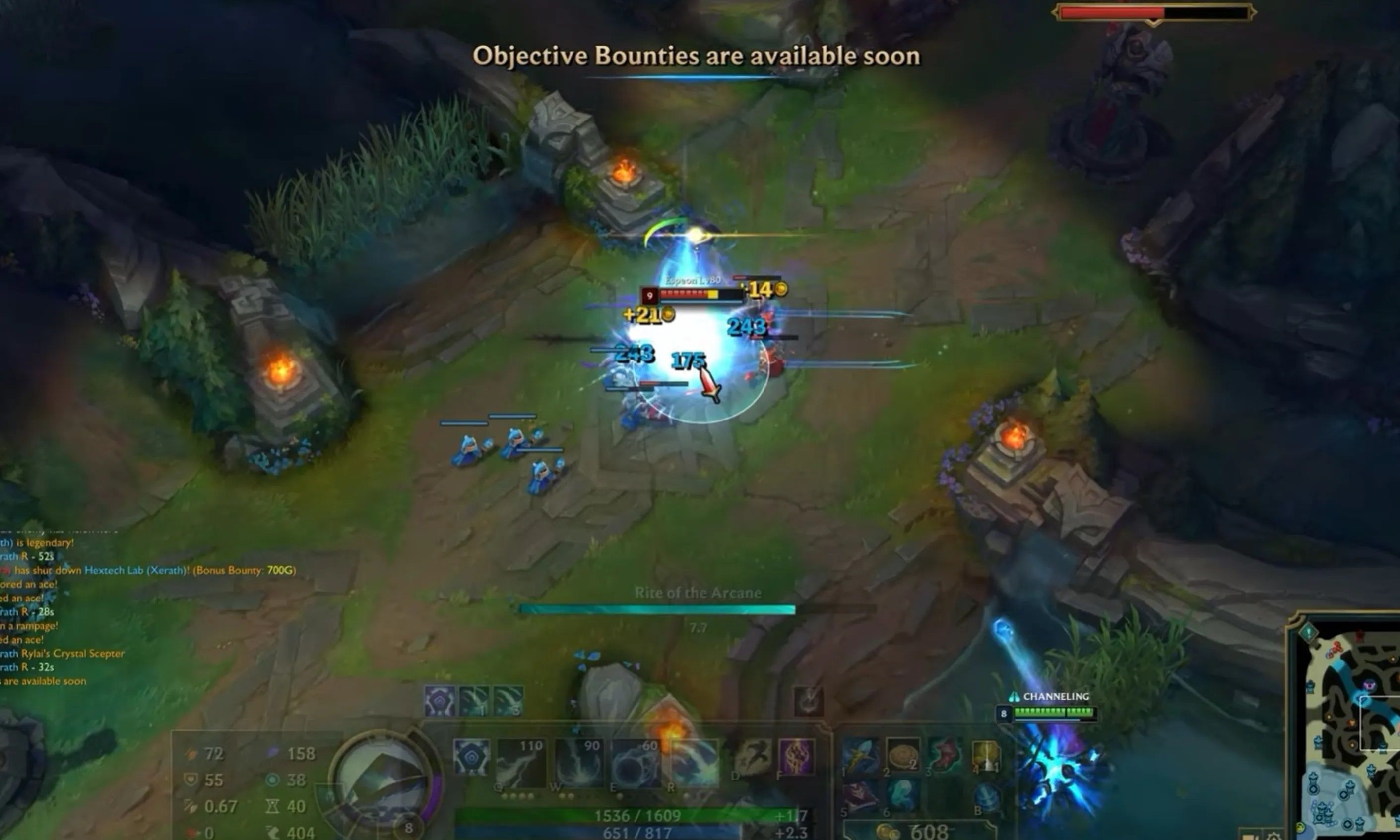
At its core, League of Legends is a test of multitasking. Players must manage minion waves, monitor cooldowns, handle gold income, and communicate with teammates, all while navigating real‑time combat. Balancing these tasks requires not only attention to what is happening in the moment but also what is approaching in the near future. Whether it is knowing when to commit to a dragon fight or when to recall and spend accumulated gold, each decision hinges on simultaneously processing multiple streams of information.
Research has shown that action games can actually improve multitasking ability, allowing players to handle more tasks at once without sacrificing performance. This skill transfers directly to any game involving resource juggling. In real‑time strategy games, players must build, defend, and expand their economy while engaging in combat, essentially the same kind of multitasking LoL players practice every minute.
In survival and simulation titles like RimWorld or Oxygen Not Included, attention to detail and management of several systems, such as power, morale, hunger, and temperature, mirror the mental load LoL imposes. Even in single‑player RPGs that incorporate base‑building or shop management (such as Cyberpunk 2077 or the Fallout series), the strategic mindset of overseeing numerous systems becomes a natural strength for former LoL summoners.
Adaptability and Reflective Learning
League of Legends is an ever‑evolving game, with periodic updates, shifting meta strategies, and fresh champions.Players who want to keep winning have to be quick. They need to learn fresh game rules, sharpen their battle plans, and change how they play in an instant. Many skilled LoL players develop a habit of reflective learning: reviewing game replays, analyzing mistakes, and identifying areas for growth. This mindset, continual improvement through structured reflection, is a hallmark of mastery.
Such adaptability and self‑analysis benefit players in any context. In ever‑changing multiplayer environments or titles with seasonal content, being able to pivot strategies, adopt new tactics, and self‑critique provides a competitive edge. Meanwhile, in narrative‑focused games, reflecting on past choices and adjusting future decisions fosters a richer experience and more satisfying progression.
Conclusion
The skills you build in League of Legends go well beyond the game itself. From sharp game sense and quick thinking to teamwork and adaptability, LoL helps shape habits that carry over into other games, and even everyday life. At the end of the day, it’s all about learning, growing, and staying one step ahead.