In any competitive pursuit, there comes a point where raw mechanical skill is no longer the primary factor holding you back. You can have perfect aim or flawless execution, but if your mental state falters under pressure, your performance will suffer. This is the mental game, an invisible arena where the battles for consistency, improvement, and ultimately, climbing the ranks are won and lost. A strong mindset is the foundation upon which all other skills are built.
Many performance-based activities demand this same mental stability. A stock trader must remain emotionally detached from market volatility to make sound judgments. A competitive gamer needs to maintain focus through long, high-pressure matches. Even different forms of online entertainment reward a strategic approach. An investor might seek favorable entry points, just as someone exploring online casinos might look for a Golden Nugget casino bonus code to understand a platform's system with less initial risk. All these fields reward a calm, analytical mindset over impulsive decision making.
Understanding Tilt and Its Triggers
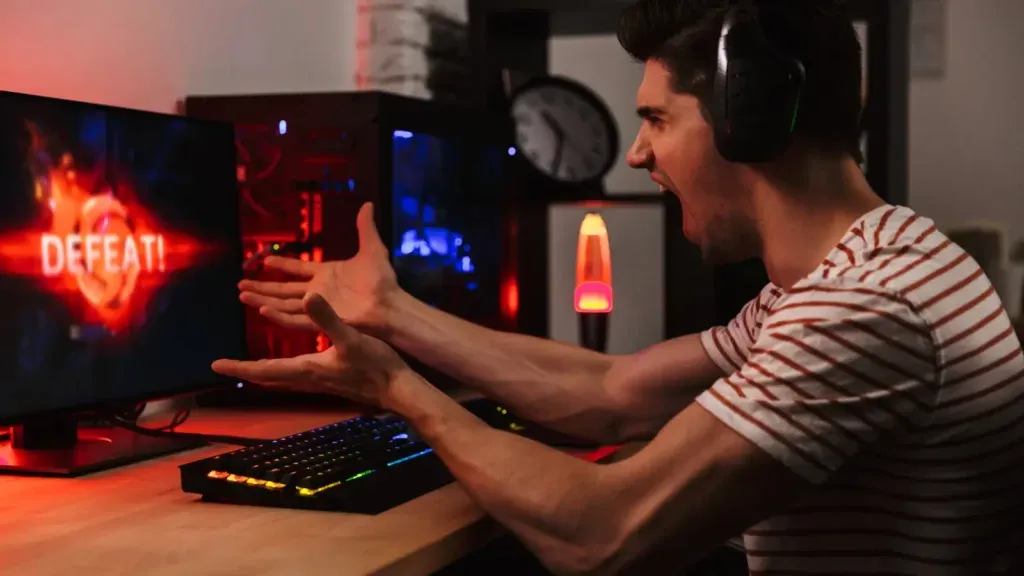
Tilt is often misunderstood as simple anger. In reality, it is any emotional state that negatively affects your decision-making. It can be frustration, anxiety, overconfidence, or hopelessness. When you are on tilt, you deviate from your optimal playstyle, often making aggressive, irrational moves or, conversely, becoming too passive and hesitant.
Recognizing the onset of tilt begins with identifying your triggers. These are the specific in-game or external events that reliably provoke an emotional response. Being aware of them is the first step toward managing them. Common triggers include:
A teammate's repeated mistakes or negative communication.
An opponent making a particularly compelling or "lucky" play.
Personal errors, especially ones you feel you should not be making.
Losing a game you felt was easily winnable.
External factors, such as fatigue or stress unrelated to the game, can impact performance.
The Concept of the Cognitive Stack
Think of your brain's capacity for active thought as a "cognitive stack." At any given moment, you are processing information about your position, enemy locations, cooldowns, and overall game strategy. When you are calm and focused, your entire cognitive stack is dedicated to making the best possible strategic decisions.
When an emotional trigger occurs and you begin to tilt, a significant portion of that stack is reallocated to managing your emotions. You are now spending mental energy on being frustrated or anxious. This leaves fewer resources for critical thinking, map awareness, and mechanical execution. Your decision-making slows down, and you start missing details that your calm self would have easily noticed.
Building Mental Resilience
Mental resilience is not about suppressing emotions; it is about acknowledging them without letting them take control of you. This is a trainable skill. The goal is to shorten the duration and lessen the intensity of a tilt episode, allowing you to return to a state of optimal focus quickly.
One of the most effective immediate techniques is mindful breathing. When you feel a trigger, take a few seconds to focus solely on a slow, deep breath. This simple action can interrupt the emotional spiral and give your rational mind a moment to regain control. Another proactive strategy is to focus solely on your performance, rather than the match's outcome. You cannot control your teammates, but you can control your actions and decisions.
The Marathon Not a Sprint
The desire to climb can lead to a "grind" mentality, where players force themselves to play game after game, even when they are fatigued or tilted. This approach is counterproductive and a direct path to burnout. Actual improvement comes from quality practice, not just quantity.
Set realistic goals for each session. Instead of aiming to win five games, aim to improve one specific aspect of your play, like last-hitting minions or tracking enemy movements. Schedule mandatory breaks, including both short ones between matches and longer ones, such as taking a full day off each week. Use this time away to reset mentally. Reviewing your gameplay is most effective when you are calm and objective, rather than immediately after a frustrating loss.