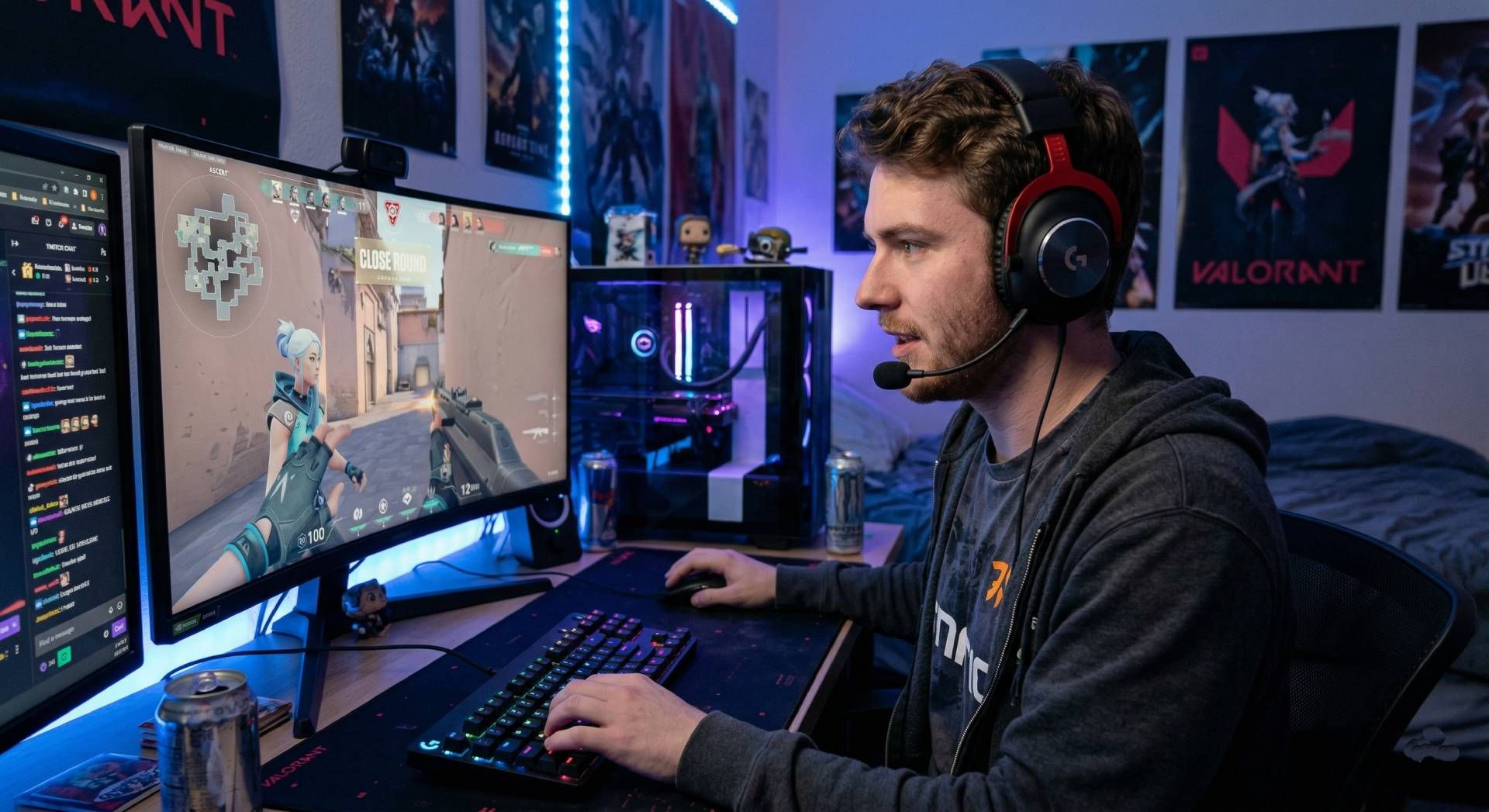
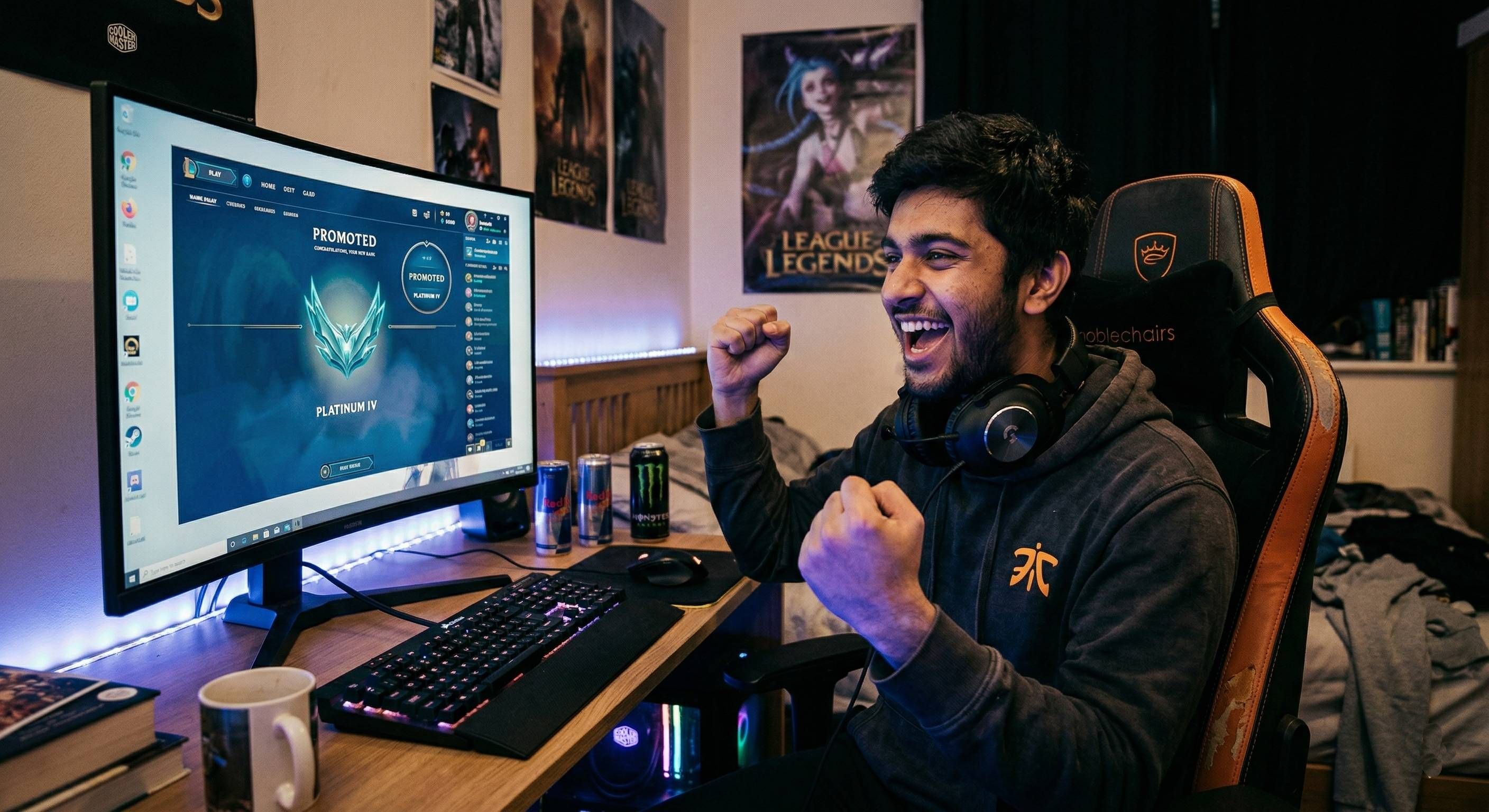
Some players queue for ranked matches to pass an evening. Others treat the next badge, division, or tier like a personal checkpoint they cannot leave unfinished.
That difference says a lot about how competitive games shape motivation. The climb is rarely about a shiny icon alone. It is about proof, routine, and the feeling that steady effort can turn into visible progress.
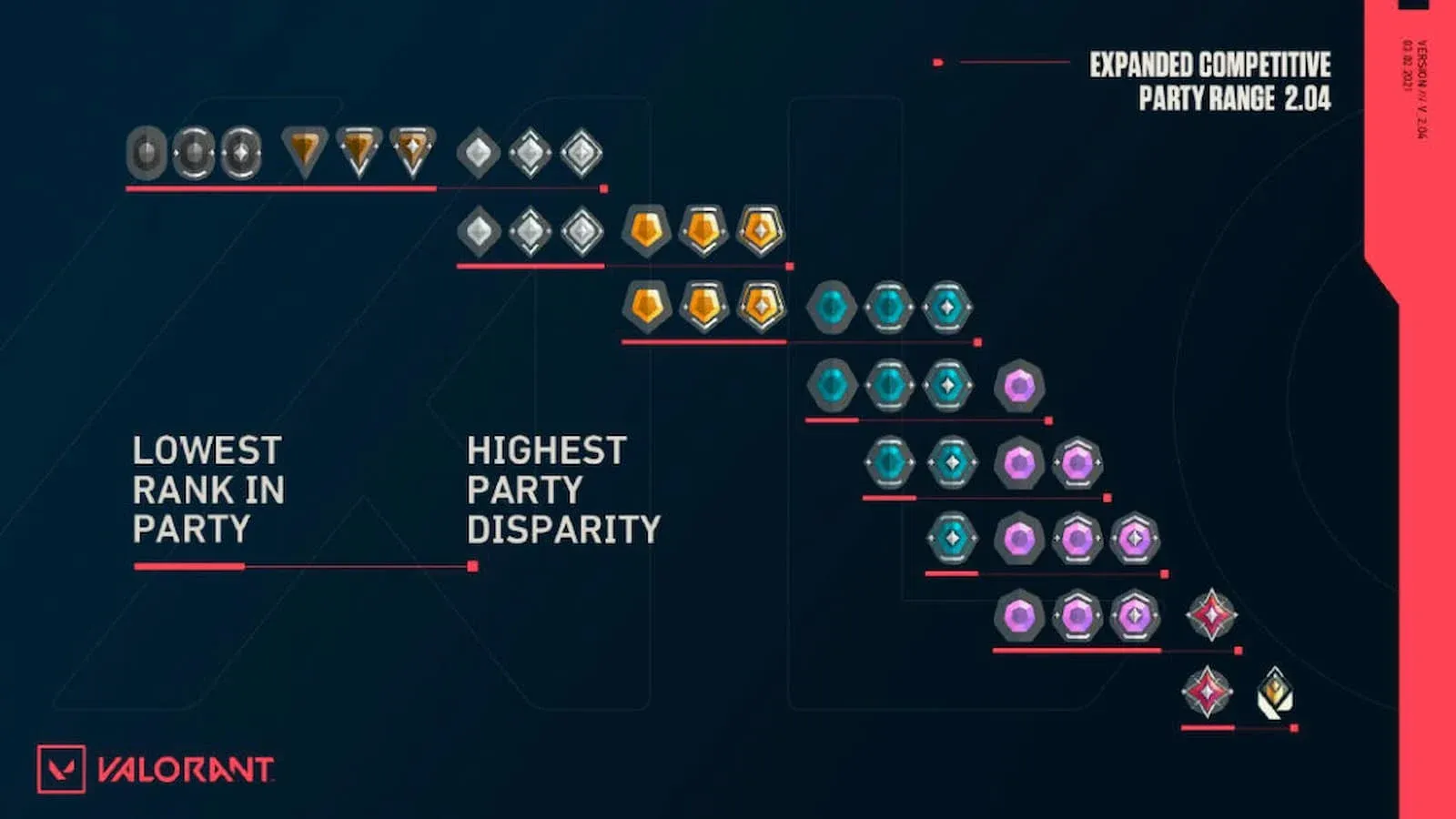
Rank systems speak to a very human impulse. People like measurable improvement. A rank can turn vague goals into something concrete, and that keeps players coming back after work, after classes, or late into the weekend. In games built around competition, the next tier becomes a target with emotional weight, not just a line on a profile page.
Why the Ladder Gets So Personal
A ranked ladder creates structure. Wins feel useful, losses feel costly, and every session gains a purpose. For some players, that structure is calming.
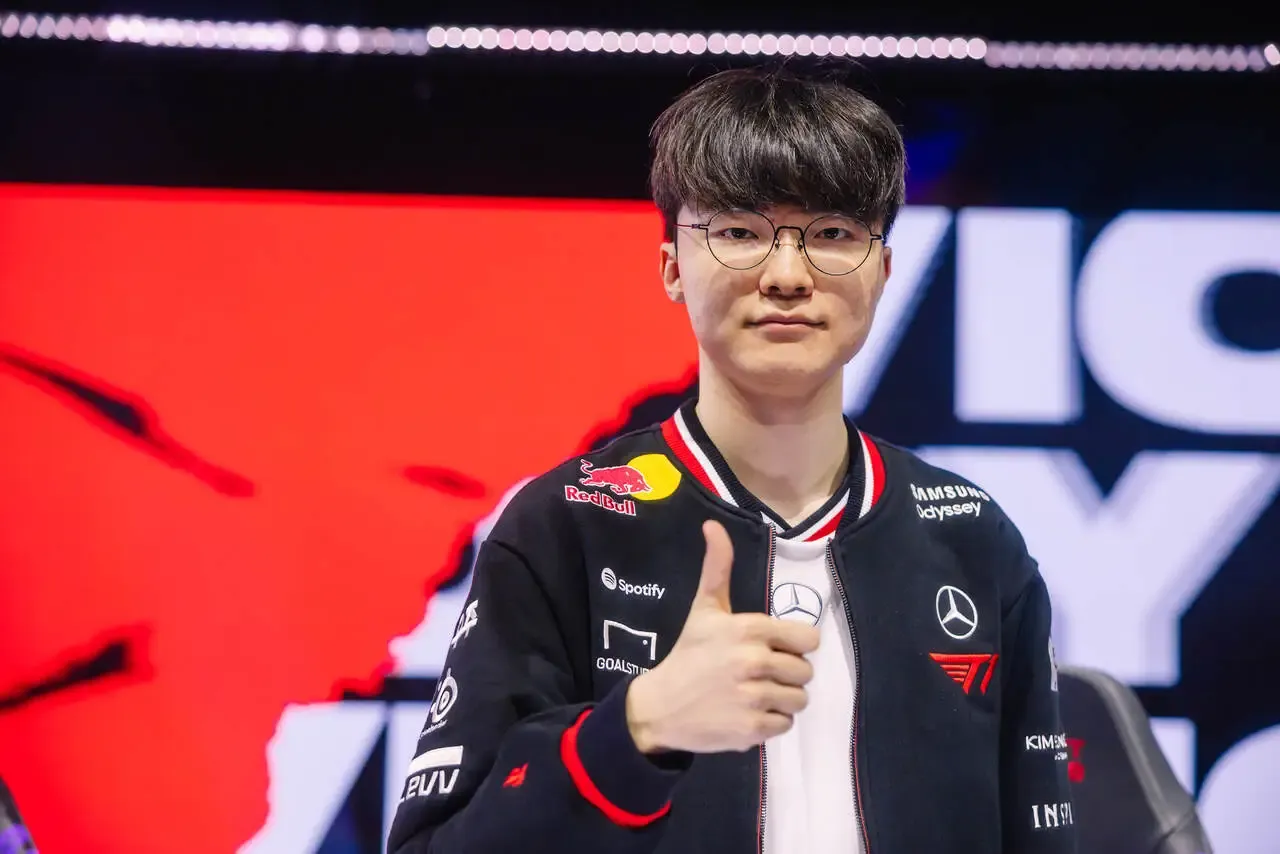
For others, it becomes intense because each match seems tied to identity. A player is not only trying to win, but also trying to confirm that they belong in a stronger bracket.
That mindset shapes how people spend time around games outside the queue, too. They watch VODs, follow patch notes, and browse platforms like Eneba US when they want easy access to subscriptions, top-ups, or game services that support their hobby without slowing them down.
Competitive players tend to value convenience because momentum matters when they are focused on progress.
The pull of the next-rank tier also stems from social comparison. Friends notice rank changes. Teammates judge performance. A promotion can turn into bragging rights in a group chat, while a losing streak can sit in the back of the mind all day.
Why Progress Can Feel So Addictive
Ranked play hooks players because it pairs challenge with instant feedback. You get a result, adjust, and queue again with a clearer idea of what to fix. That cycle appeals to people who like visible progress.
For anyone checking the Xbox Game Pass Ultimate 12-month price, Microsoft currently sells it as a monthly subscription in the US, with no standard 12-month direct plan.
The official store lists Game Pass Ultimate at $29.99 per month, so many buyers look at Eneba for legitimate long-term codes or multi-month deals. Eneba also offers Xbox Game Pass Essential in many regions, with clear region info, transparent listings, fast code access, and global support.
At the same time, ranked frustration can build quickly, so many players rely on short sessions and regular breaks.
The Emotional Reward Behind the Grind
The pursuit of a higher tier remains powerful because it blends ambition with emotion. Players remember promotion games, comeback wins, and the moment a new emblem finally appears on screen. Those moments stick because they represent effort turned into evidence.
This is also why products that offer access and flexibility fit naturally into the competitive gaming culture. Players who care about consistent play time usually appreciate fast purchases, clear regional information, and fewer barriers between the idea of playing and the match itself.
Why Players Keep Coming Back
In the end, rank chasing is about momentum, identity, and the quiet satisfaction of seeing growth take shape over time. Some players want status, some want self-improvement, and many want both.
Digital marketplaces like Eneba offering deals on all things digital can fit into that routine by helping players stay connected to the games and services that keep the climb going.