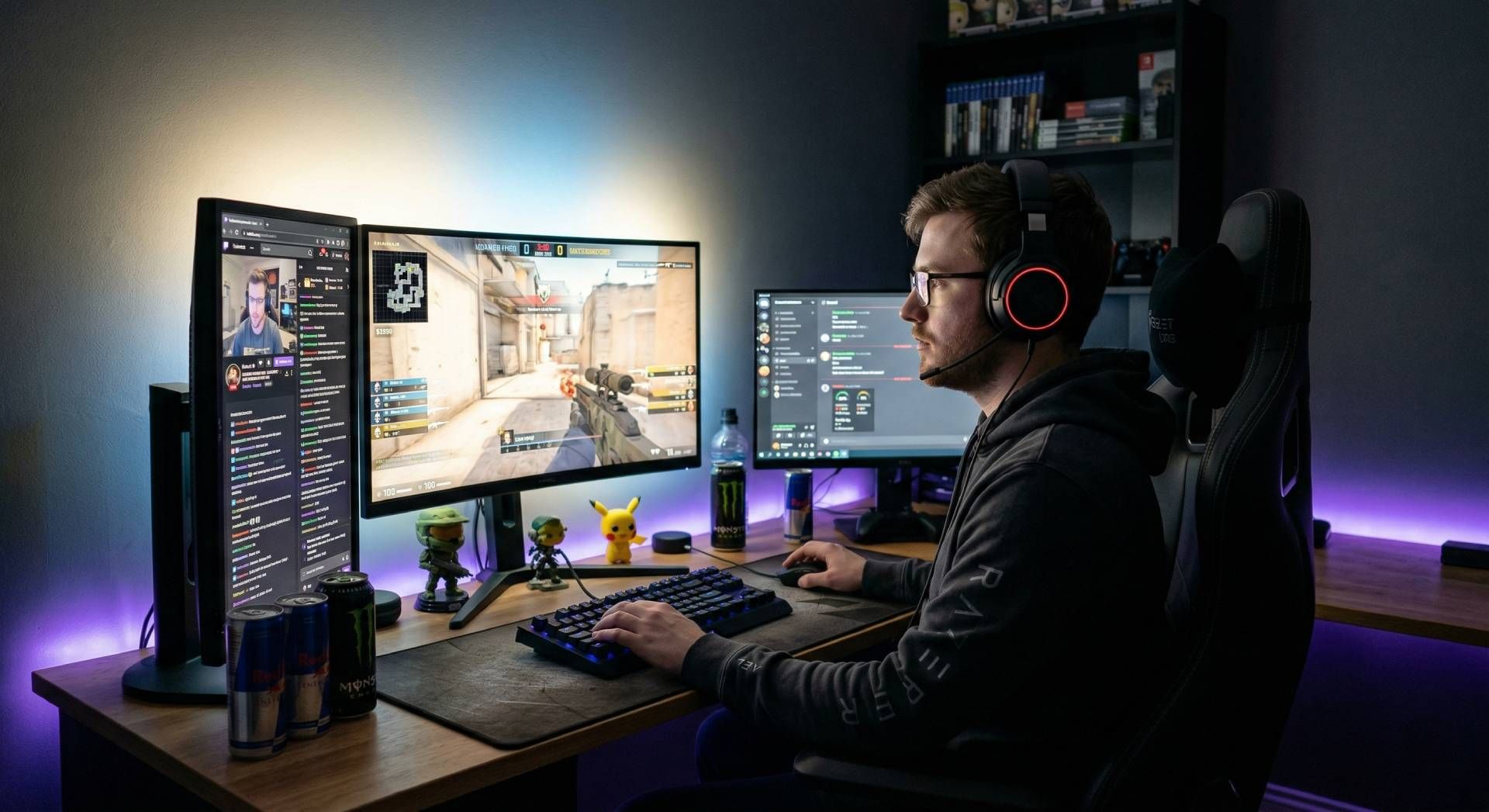
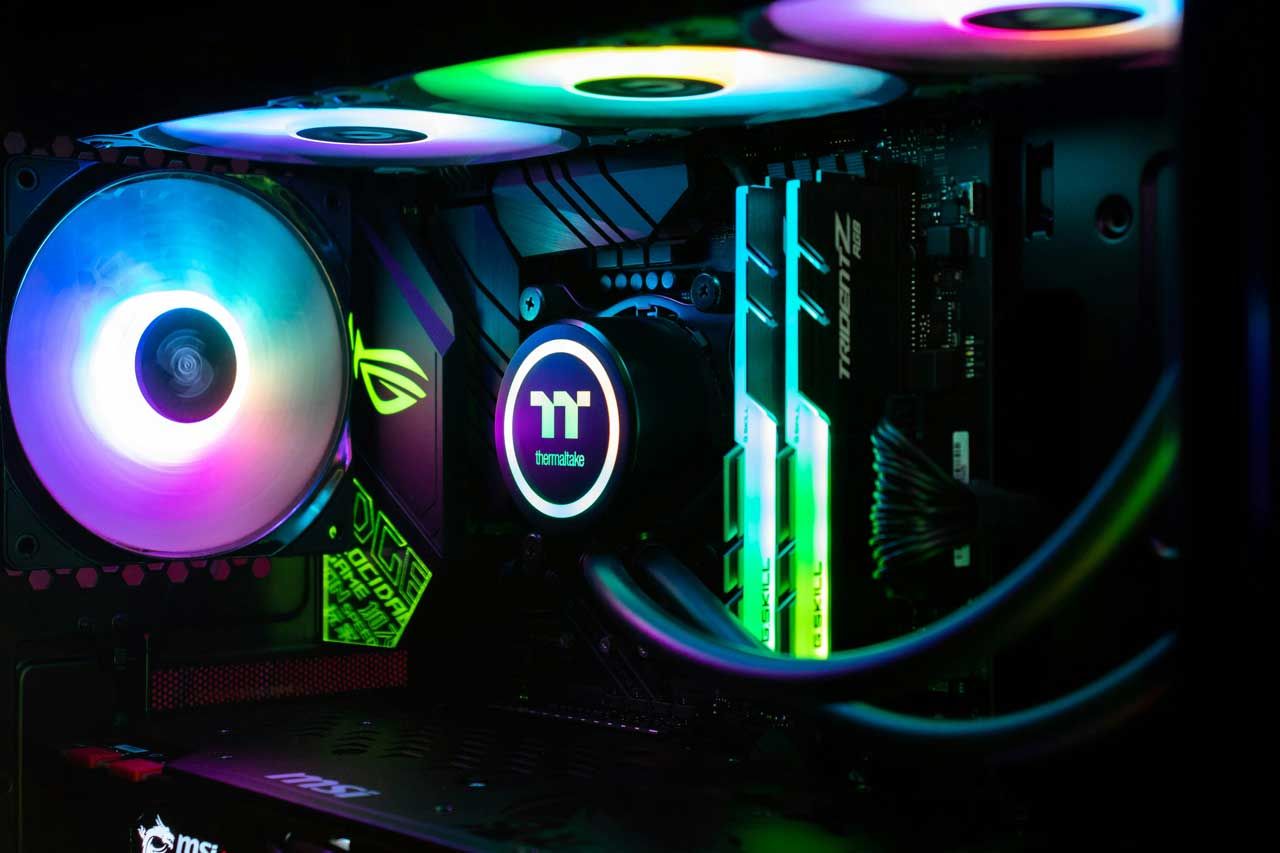
For years, the phrase “gaming PC” conjured images of hulking towers with RGB lights glowing like spaceships. The bigger the rig, the more powerful it was that was the unspoken rule. But in recent years, the narrative has flipped. Small form factor PCs, once seen as niche or underpowered, are now proving that you don’t need a desk-dominating machine to run today’s most demanding games. Size no longer equals compromise, and the rise of compact gaming setups is changing how we think about PC power.
Breaking the Bigger Is Better Myth
The stereotype of the giant, noisy gaming tower still lingers, but advancements in hardware design have shattered it. Modern CPUs and GPUs are more efficient than ever, delivering high performance without generating as much heat or requiring massive cooling systems. Pair that with clever case engineering, and you’ve got compact builds that punch way above their size.
Take a look at the Best Mini Gaming PCs, for example. They’re engineered with airflow and component placement in mind, ensuring that gamers can enjoy top-tier performance without worrying about throttling or overheating. These little machines prove that power and portability can coexist, all while looking sleek enough to fit seamlessly into minimalist desk setups.
Portability Meets Power
One of the biggest appeals of small form factor PCs is their portability. LAN parties may not be as common as they were in the early 2000s, but the spirit of gaming on the go is alive and well. Mini PCs make it easy to pack up your system for a tournament, move between dorms, or even plug into a big-screen TV for living room gaming nights.
Yet portability doesn’t mean sacrificing high-frame-rate gaming. Whether you’re running Cyberpunk 2077 with ray tracing or diving into VR experiences, compact rigs now handle them without flinching. For gamers who crave flexibility, a small build is no longer a secondary option it’s often the smartest one.
Design That Matches Modern Lifestyles
Let’s be honest: gaming setups are about aesthetics as much as performance. A massive tower covered in blinking LEDs might look impressive, but it doesn’t suit everyone’s space or taste. Minimalist trends have made small form factor PCs especially attractive. They’re unobtrusive, stylish, and often designed with clean lines that blend into professional workspaces just as easily as they shine in gaming corners.
For creators and professionals who need one machine for both work and play, a small form factor PC bridges that gap perfectly. It’s a device that says, “Yes, I game but I also run a tight, efficient space.”
The Future Is Compact
As components continue to shrink and become more efficient, the ceiling for what small form factor PCs can do keeps rising. With GPUs designed specifically for compact cases and modular designs becoming the norm, the future of gaming PCs doesn’t look like a bulky tower it looks sleek, transportable, and customizable.
We’re witnessing a shift not just in hardware but in mindset. Gamers are realizing that you don’t need to dominate square footage to dominate the leaderboards. Performance, portability, and design are converging in ways that make small PCs not just viable, but desirable.
Final Thoughts
Small form factor gaming rigs aren’t just a trend; they’re a reflection of how gaming itself has evolved. Players want powerful, flexible machines that fit their lifestyles without swallowing their desks. And with the Best Mini Gaming PCs, they’re finally getting exactly that.
And when you’re ready to fuel that sleek setup with new adventures, Eneba digital marketplace has you covered offering the game keys, in-game upgrades, and subscriptions that keep your compact powerhouse running at full throttle.