Key Takeaways
Rank Rating (RR) is Valorant’s point system that tracks your progression within competitive ranks, requiring 100 RR to advance to the next tier
RR gains range from 10-50 points per win for Iron through Ascendant ranks, while Diamond+ players typically earn around 20-25 RR per victory
Your hidden MMR (Matchmaking Rating) directly affects RR gains and losses when your rank exceeds your MMR, it affects how much RR you gain or lose, resulting in less RR gained and more lost
Performance bonuses of 2-5 extra RR are awarded for exceptional gameplay, including high ACS scores and impactful plays
Queue dodging results in 8-12 RR penalty, while surrendering causes significant RR and MMR loss by counting all remaining rounds as losses
Understanding Valorant’s RR system can make the difference between climbing steadily to your desired rank or remaining stuck in the same spot for months. The rank rating system serves as the backbone of competitive play, determining not just your visible rank but also influencing the quality of teammates and opponents you’ll face in each match.
Many players struggle with the complexities of how RR is calculated, why gains vary so dramatically between matches, and what factors beyond simple wins and losses affect their progression. This comprehensive guide breaks down every aspect of Valorant’s ranking system, from the basic mechanics to advanced strategies for maximizing your climb through the competitive ladder.
What is the Valorant RR System?
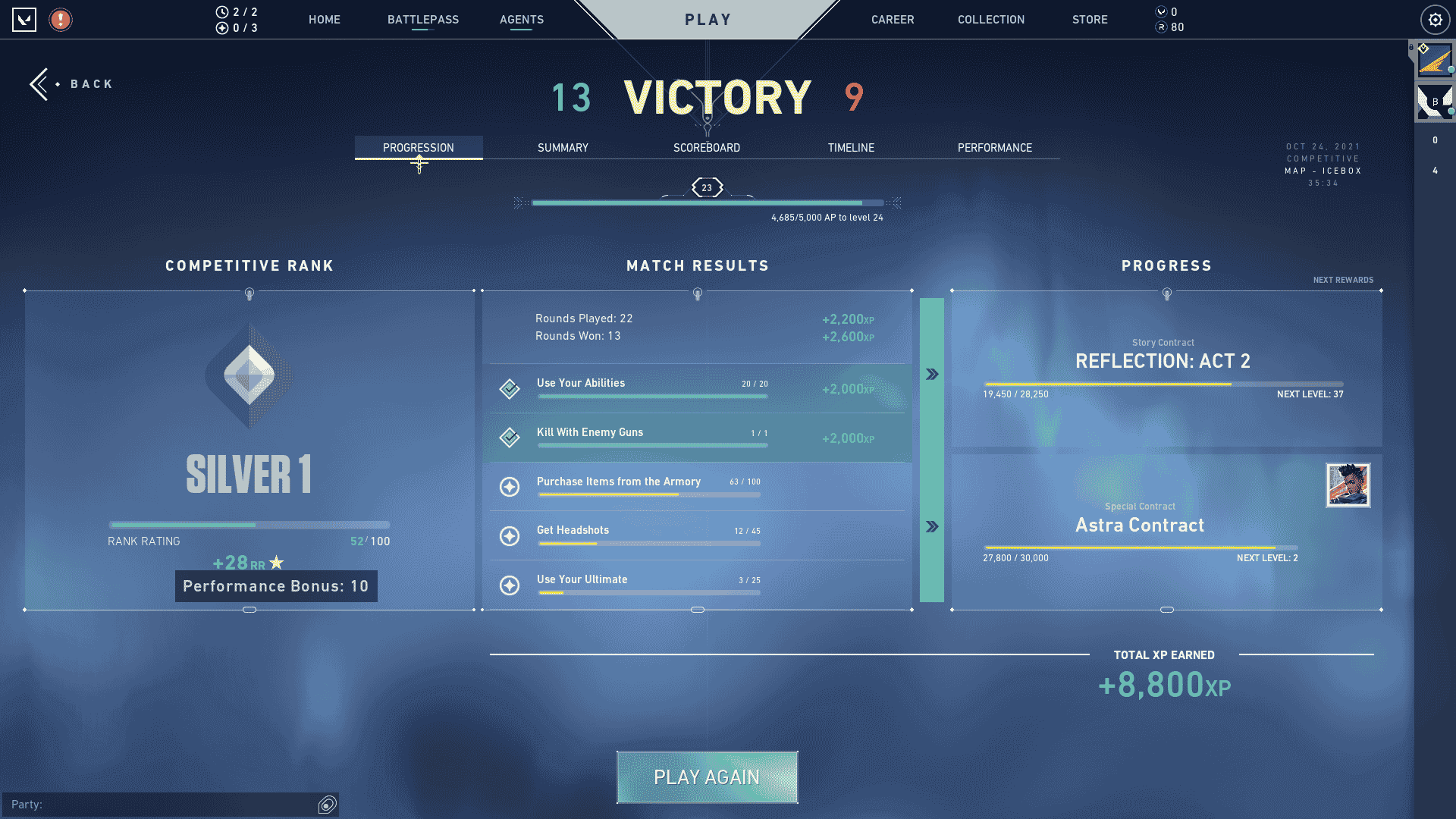
RR stands for Rank Rating, which is the point system used to track progression in Valorant's competitive mode.
The Valorant RR system represents Riot Games’ approach to competitive ranking, designed to provide players with a clear visual representation of their skill progression while maintaining fair matchmaking behind the scenes. Rank Rating serves as the visible currency that players earn or lose after each competitive match, directly determining their position within the competitive hierarchy and affecting a player's rank.
Unlike other tactical shooters that rely solely on wins and losses, Valorant’s ranking system incorporates individual performance metrics alongside match outcomes. This dual approach ensures that players who consistently perform well can still make progress even during losing streaks, while also preventing players from advancing beyond their actual skill level through lucky win streaks alone.
The RR system operates independently from your account level and focuses specifically on competitive gameplay. Players must reach account level 20 before accessing competitive mode, ensuring they have sufficient experience with the game’s mechanics and maps before entering ranked play. Once eligible, players participate in placement matches, which determine a player's starting rank based on their performance.
RR’s role in competitive matchmaking extends beyond simple progression tracking. The system works in conjunction with your hidden matchmaking rating to ensure that games remain balanced and competitive, regardless of your visible rank. This sophisticated matching system creates more engaging and fair competitive experiences across all skill levels.
How Valorant RR Works
The fundamental mechanics of Valorant’s RR system revolve around a 100-point progression structure for each rank tier. When you reach 100 RR within your current tier, you automatically promote to the next tier and start with 10 RR as a buffer to prevent immediate demotion after a single loss.
Demotion occurs when you reach 0 RR and lose another competitive match. If your RR drops below zero after a loss, you can drop ranks, meaning you will be moved down to a lower rank or tier. However, the system includes protective measures to prevent dramatic rank drops, especially for players who have recently achieved a new rank. This design philosophy encourages consistent play while providing some forgiveness for temporary performance dips.
Rank Structure and Tiers
Valorant features nine main ranks, each containing three tiers that represent progressive skill improvements within that rank category. The complete rank structure includes Iron, Bronze, Silver, Gold, Platinum, Diamond, Ascendant, Immortal, and Radiant, with each rank except Radiant divided into three tiers.
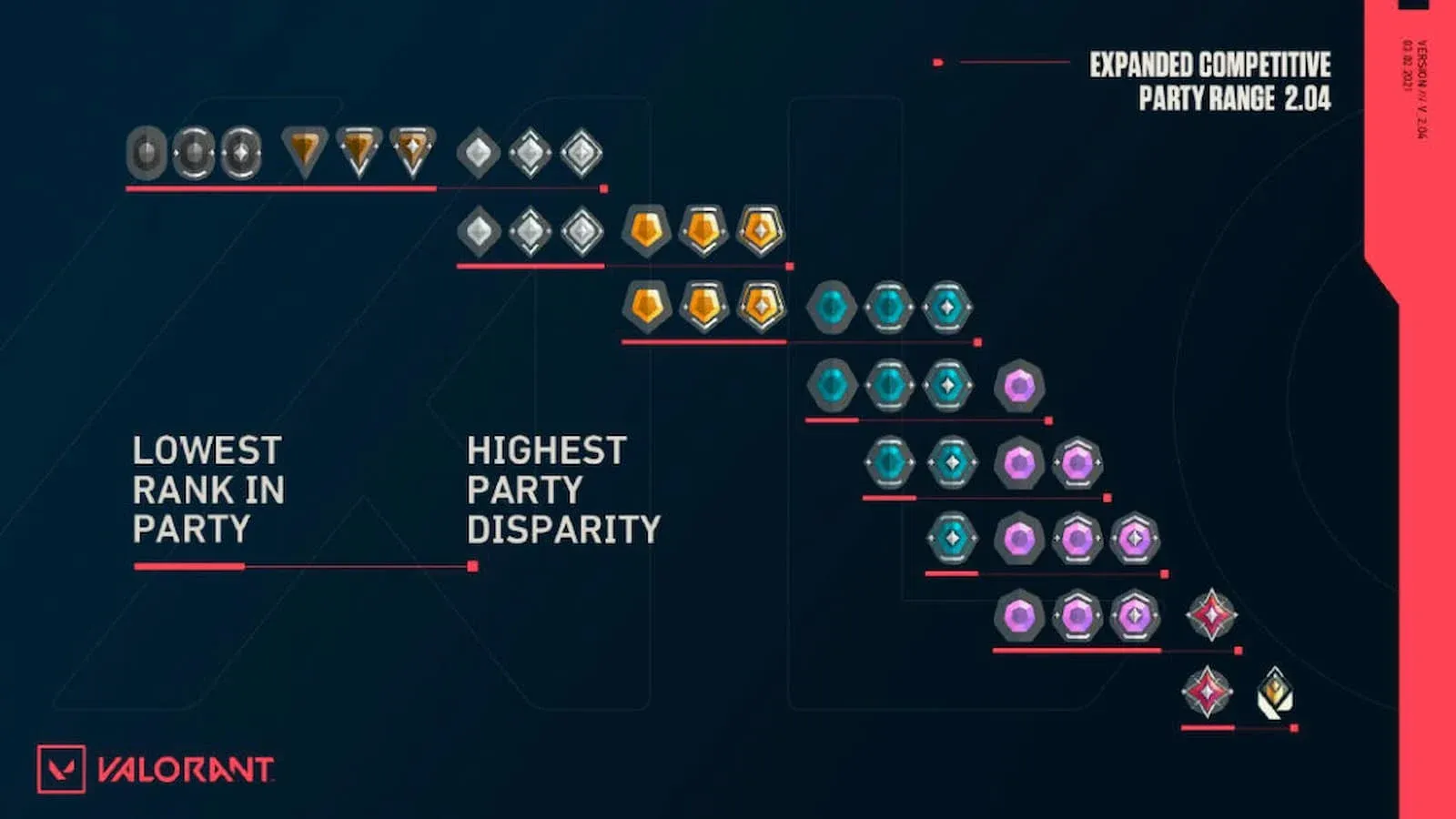
The distribution of players across these ranks creates a giant ladder where the majority of the player base clusters around Silver and Gold ranks. According to recent data, Silver 1 represents the most populated rank, with player distribution thinning significantly as you move toward higher ranks. The number of players ranked in each tier varies greatly, with far fewer players ranked in Immortal and Radiant compared to the lower ranks. This natural distribution reflects the challenging nature of rank progression and the skill requirements needed to reach top-tier gameplay.
Access to competitive mode requires reaching account level 20, ensuring players have adequate game knowledge before entering ranked play. New players or those starting a fresh episode must complete five placement matches to establish their initial rank, while returning players need only one placement match at the start of each new act.
RR Calculation Factors
The calculation of RR involves multiple factors that extend beyond simple match wins and losses. RR is calculated using a combination of match outcome, individual performance, and your hidden MMR, with each factor influencing the final RR gain or loss after each game. Your individual performance within each match plays a significant role in determining how much RR you gain or lose, with the system analyzing various performance metrics to assess your contribution to the team’s success or failure.
Match outcome serves as the primary factor, with wins earning RR and losses resulting in RR deductions. However, the margin of victory or defeat also influences these calculations. Close matches where your team barely loses may result in smaller RR losses compared to decisive defeats, reflecting the competitive nature of the game.
Individual performance gets measured through various metrics, with Average Combat Score (ACS) serving as a key indicator. Players who achieve high ACS scores through effective fragging, objective play, and round impact typically receive performance bonuses that can add 2-5 extra RR to their match gains.
Round differential and your team’s overall performance relative to expectations also factor into RR calculations. The way MMR works influences RR significantly. If your MMR is higher than your current rank, you may gain more RR for wins and lose less for defeats, while being below your MMR can result in smaller gains and larger losses. When your team significantly outperforms or underperforms against similarly skilled opponents, the system adjusts RR gains and losses accordingly to maintain competitive balance.
Performance Metrics That Affect RR
Kill, death, and assist ratios contribute to your overall performance rating, but the system weights these metrics based on their impact within specific rounds. A clutch kill that secures a round victory carries more weight than eliminations during eco rounds or against inferior opponents.
Objective-based actions receive special consideration in RR calculations. Spike plants, defuses, and other mission-critical plays demonstrate tactical understanding and team contribution beyond pure fragging ability. Players who consistently contribute to objective play often see more stable RR gains over time.
Team contribution through assists and support plays helps round out the performance picture. The system recognizes that not all valuable contributions appear on the scoreboard, rewarding players who enable their teammates’ success through utility usage, information gathering, and strategic positioning.
Consistency across rounds and matches influences long-term RR progression. Players who maintain steady performance levels rather than experiencing dramatic swings between exceptional and poor games typically see more predictable RR gains and losses. However, negative behaviors such as going AFK or intentionally avoiding matches can result in worse RR outcomes, as the system penalizes poor performance and lack of participation.
RR vs MMR: Understanding the Difference
The distinction between RR and MMR represents one of the most crucial yet misunderstood aspects of Valorant’s ranking system. While rank rating provides the visible representation of your competitive standing, your matchmaking rating operates as a hidden skill assessment that determines the quality of opponents and teammates you face.
MMR functions as the system’s internal evaluation of your actual skill level, updating based on match performance and outcomes without direct player visibility. This hidden rating system ensures that matchmaking remains balanced and competitive, regardless of your visible rank progression or recent performance fluctuations.
The relationship between these two systems creates a convergence mechanism designed to align your visible rank with your actual skill level over time. When your rank exceeds your MMR, you’ll experience reduced RR gains and increased losses until the systems realign. Conversely, when your MMR is higher than your rank, you’ll gain more RR per win to accelerate your climb, as the system recognizes your skill is above your current visible rank.
This convergence system prevents players from maintaining ranks significantly above or below their actual skill level for prolonged periods. The system’s design philosophy prioritizes long-term accuracy over short-term satisfaction, ensuring that ranks accurately reflect player capabilities across extended play sessions.
Understanding MMR’s influence helps explain why two players with identical match outcomes might experience different RR changes. The player whose rank aligns closely with their MMR will see standard RR gains and losses, while the player whose rank exceeds their MMR might lose more RR than they gain, even with similar performance levels.
RR Gains and Losses by Rank
RR gains and losses follow distinct patterns across different rank tiers, with the system becoming progressively more demanding as players advance through higher ranks. Understanding these patterns helps set realistic expectations for climb progression and timeline planning.
For players in Iron through Ascendant ranks, RR gains typically range from 10 to 50 points per victory, with the exact amount depending on individual performance and MMR alignment. Exceptional performances can push gains toward the upper end of this range, while standard wins usually result in 15-25 RR gains for most players.
Losses in these rank tiers generally result in 10-30 RR deductions, with the system showing some mercy for strong individual performances even in defeat. Players who maintain positive KDA ratios and high ACS scores during losses often experience smaller RR penalties compared to those who struggle throughout the match.
Diamond and higher-ranked players face more restrictive RR economics, typically earning 20-25 RR per win regardless of individual performance. This change reflects the system’s expectation that players at these skill levels should consistently perform at a high standard, reducing the impact of individual game variations on long-term progression. However, the risk of losing RR and being demoted increases at these higher ranks, making each loss more significant for progression.
The reduced RR gains at higher ranks serve multiple purposes within the competitive ecosystem. They ensure that reaching top-tier ranks requires sustained excellence rather than temporary hot streaks, while also creating more stable populations within each rank tier. This stability benefits matchmaking quality and competitive integrity across all skill levels.
Performance bonuses continue to apply across all rank tiers, typically adding 2-5 RR for exceptional gameplay. These bonuses reward players who exceed expected performance levels for their rank, encouraging continued improvement and rewarding exceptional plays that contribute significantly to match outcomes.
Protecting Player Rankings with Rank Shields
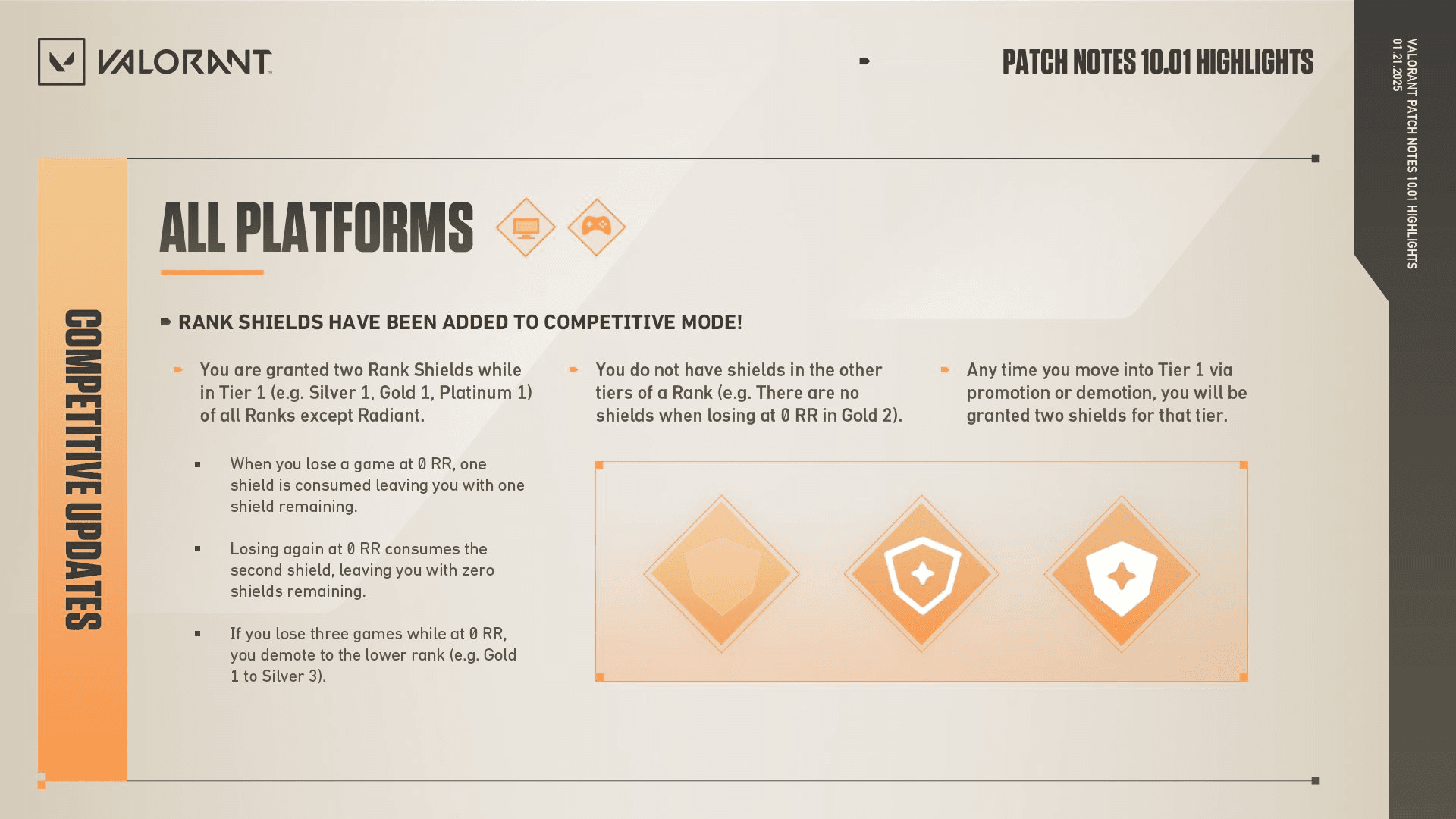
Rank Shields have become a game-changer in Valorant's competitive scene, and if you're grinding the ranked ladder, understanding this crucial mechanic could be the difference between maintaining your hard-earned rank and watching it slip away. When you hit Tier 1 of any rank, the game grants you two Rank Shields - and trust me, these are about to become your best friend. Think of them as your safety net: when you're sitting at 0 RR and face that dreaded loss, instead of getting immediately demoted, a Rank Shield gets consumed, and you stay right where you are. It's like getting a second chance to prove you belong at that rank!
The mechanics behind Rank Shields are pretty straightforward, but the strategy is where things get interesting. These shields only activate when you're at Tier 1 of a rank - they won't save you from dropping between tiers within the same rank. Picture this: you're at Gold 1 with a Rank Shield, sitting at 0 RR, and you lose a match. That shield absorbs the hit and keeps you at Gold 1. But here's the catch - lose again without gaining any RR back, and you'll find yourself demoted to Silver 3 with a small RR buffer to cushion any immediate further drops.
What makes Rank Shields absolutely essential for players pushing through the ranks is the breathing room they provide. They're basically your insurance policy against those brutal losing streaks that can destroy weeks of progress in a single session. This becomes even more crucial when your match-making rating (MMR) is still catching up to your visible rank - you know, those frustrating matches where you lose more RR than you gain? The shield gives you time to get your MMR and performance back in sync, helping you maintain your spot on the competitive leaderboard.
For the elite players grinding Immortal and Radiant - Valorant's highest ranks - the RR system operates on a whole different level. These legends can push their RR well beyond the standard 100 to climb the leaderboard, and every single competitive match becomes a make-or-break moment for their ranking position. While Rank Shields don't function the same way at these god-tier levels, the core principle remains: protecting your progress and maximizing every opportunity to gain RR is absolutely critical.
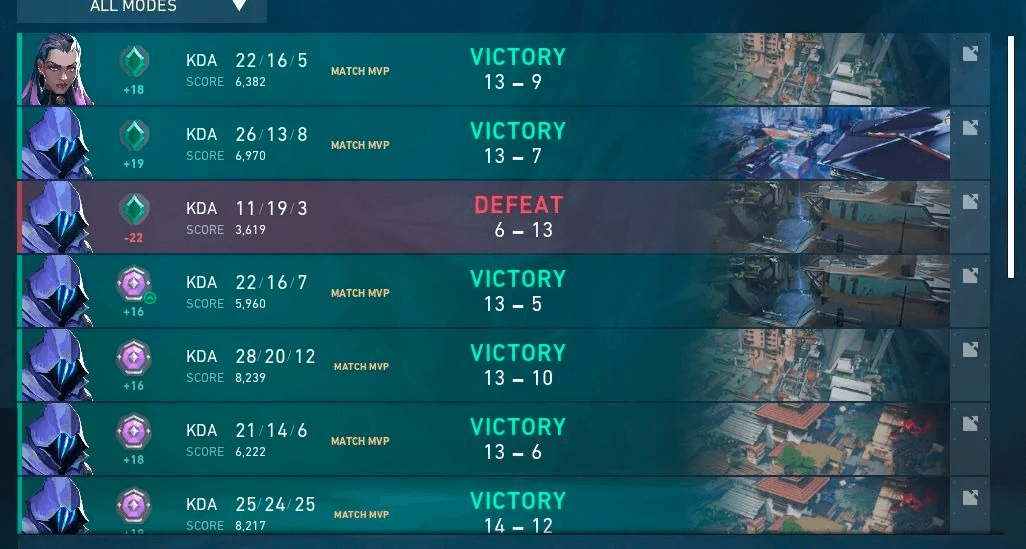
To squeeze every bit of value from your Rank Shields, focus on consistently winning games and putting up performances that'll earn you bonus RR - like snagging that Match MVP award. Whatever you do, avoid queue dodging or abandoning games, as these actions will hit you with RR penalties that can quickly burn through the protection your Rank Shields provide. Remember, every match is your chance to gain more RR and push toward that next tier, but keeping your current rank is just as important for your long-term climb.
Rank Shields are undoubtedly one of the most player-friendly features in Valorant's ranking system, offering a valuable buffer against those heartbreaking instant demotions. By mastering how Rank Shields interact with RR gains and losses, and by focusing on consistent improvement and smart gameplay, you can climb the ranks more effectively and secure your place among the best in competitive Valorant. Whether you're pushing for that next rank or defending your current position, leveraging Rank Shields and maximizing your RR gains will help you achieve your goals on Valorant's competitive ladder.
Rank Protection and Demotion Systems
Valorant implements several protective mechanisms designed to prevent dramatic rank fluctuations while maintaining competitive integrity. The rank shields system provides newly promoted players with protection against immediate demotion, allowing them time to adjust to their new competitive environment.
When reaching Tier 1 of any rank (such as Gold 1, Platinum 1, or Diamond 1), players receive two rank shields that protect against rank demotion. These shields protect against dropping to the previous rank entirely, though they don’t prevent tier demotions within the same rank category.
The demotion process requires players to reach 0 RR and lose an additional competitive match before dropping to a lower tier or rank. When demotion occurs, players typically start at 70 RR in their new lower tier, providing a buffer that prevents immediate relegation chains during temporary performance dips.
This protection system balances competitive integrity with player experience, ensuring that brief performance slumps don’t result in dramatic rank losses while still maintaining accountability for consistently poor play. The system encourages players to continue competing even during difficult periods rather than avoiding ranked play to preserve their current rank.
Rank shields regenerate upon reaching Tier 1 positions again, providing consistent protection for players who demonstrate the ability to reach higher competitive levels. However, if a player is inactive for a prolonged period, their rank protection or progression may be affected, as extended inactivity can lead to loss of rank or additional penalties. This renewable protection system supports long-term player engagement with competitive mode while maintaining meaningful rank progression requirements.
Penalties and Special Situations
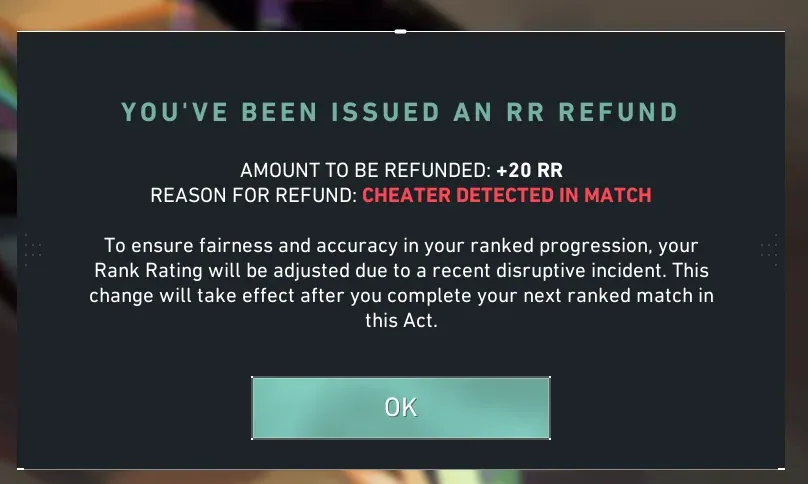
Queue dodging represents one of the most significant penalties within the RR system, typically resulting in 8-12 RR loss without the possibility of performance mitigation. In severe cases or for repeat offenders, these penalties can exceed 30 RR, making queue dodging an expensive habit that can significantly impact climb progression.
Surrendering carries substantial consequences beyond simple match loss RR deductions. When teams surrender, the system counts all remaining rounds as losses for statistical purposes, dramatically impacting individual performance ratings and resulting in larger RR and MMR losses compared to playing out close matches.
AFK penalties and disconnections also result in significant RR losses, with the system treating extended absences as poor performance regardless of the reason. Players who frequently experience connection issues or leave matches early face escalating penalties that can severely impact their competitive progression. Engaging in these behaviors carries the risk of additional penalties or even demotion, as the ranking system is designed to discourage actions that negatively affect the competitive experience.
The remake system provides the only exception to standard RR mechanics, triggering when a player disconnects very early in the match. Successful remakes result in no RR changes for any participants, effectively nullifying the match for ranking purposes while preserving competitive integrity.
Act and Episode Resets
Each new act requires players to complete one placement match to calibrate their rank for the upcoming competitive season. This single placement match helps the system account for skill changes during the break between acts while avoiding dramatic rank resets that could disrupt competitive balance.
Episode resets represent more substantial ranking adjustments, requiring five placement matches to establish your competitive position for the new episode. These resets provide opportunities for significant rank movement based on improved or declined skill levels during the extended break between episodes.
Immortal and radiant players face special reset mechanics, losing approximately 90% of their RR at episode transitions. This dramatic reset ensures that top-tier positions remain competitive and that players must prove their continued elite skill level rather than coasting on previous achievements.
The soft reset philosophy prevents extreme rank movements while still allowing for meaningful adjustments based on actual skill changes. This approach maintains competitive integrity while avoiding the frustration of complete rank resets that could undermine player investment in competitive progression.
Strategies to Maximize RR Gains
Consistent wins remain the most reliable path to maximizing RR gains, but understanding performance metrics can help optimize gains even during mixed results. Focus on maintaining high ACS scores through efficient fragging, objective play, and impactful round contributions rather than pursuing empty kills or padding statistics.
Playing with consistent teammates improves coordination and communication, leading to better match outcomes and more stable RR progression. Regular team play also helps develop synergies and strategic understanding that translate into improved individual performance metrics over time.
Avoiding queue dodging protects your RR from unnecessary penalties while maintaining your position in the matchmaking queue. The short-term inconvenience of playing suboptimal team compositions typically costs less than the guaranteed RR penalty from dodging matches.
Understanding when to play for rounds versus when to save economy requires strategic thinking that impacts both immediate match outcomes and long-term RR progression. Players who demonstrate good economic understanding and tactical decision-making often see more consistent performance ratings across multiple matches.
Maintaining a positive team environment through constructive communication and supportive play contributes to better match outcomes while avoiding behavioral penalties that could impact competitive standing. The system rewards players who contribute positively to the competitive ecosystem through various mechanisms.
Common RR Issues and Solutions
Many players experience frustration when gaining less RR despite strong individual performance, typically indicating that their visible rank exceeds their hidden MMR. The solution involves focusing on consistent wins and performance improvement rather than trying to game the system through individual statistics.
Negative RR convergence occurs when your rank significantly exceeds your MMR, requiring you to prove you belong at your current level through sustained excellent play. This process can be frustrating, but it represents the system working as intended to maintain competitive integrity and accurate skill representation.
Inconsistent RR gains across similar matches often reflect subtle differences in opponent skill levels, individual performance metrics, or MMR relationships that aren’t immediately obvious. Understanding that the system considers many factors beyond basic match outcomes helps set realistic expectations for RR progression.
Diamond and higher-ranked players naturally earn less RR per win as the system becomes more restrictive at top skill levels. This change reflects the increased difficulty of progression at elite levels and the need for sustained excellence rather than occasional exceptional performance.
Improving long-term RR gains requires focusing on MMR improvement through consistent high-level play rather than attempting to manipulate individual match statistics. The convergence system ensures that sustainable rank progression must be built on genuine skill improvement rather than temporary performance spikes.
Frequently Asked Questions
Can you gain RR from a loss in Valorant?
No, you cannot gain RR from losing a match. However, your hidden MMR can still increase if you perform exceptionally well in a loss, which will help your future RR gains when you start winning again.
Why do I lose more RR than I gain per match?
This happens when your visible rank is higher than your hidden MMR. The system implements negative convergence to bring your rank back in line with your actual skill level, requiring you to prove you belong at your current rank through consistent wins and good performance.
Does surrendering affect my RR differently than losing normally?
Yes, surrendering counts all remaining rounds as losses, which significantly impacts your performance rating and results in larger RR and MMR losses compared to playing out a close match. It’s generally better to finish matches even when behind.
How much RR do you need to skip ranks in Valorant?
You cannot skip entire ranks in Valorant’s current system. However, if your MMR is significantly higher than your current rank, you may gain large amounts of RR (up to 50 per win) to help you climb faster to your appropriate skill level.
Do party queue and solo queue affect RR gains differently?
RR gains are not directly affected by whether you queue solo or in a party. However, the system does consider party composition when matchmaking, which can indirectly affect the skill level of opponents you face and thus your potential RR gains or losses.