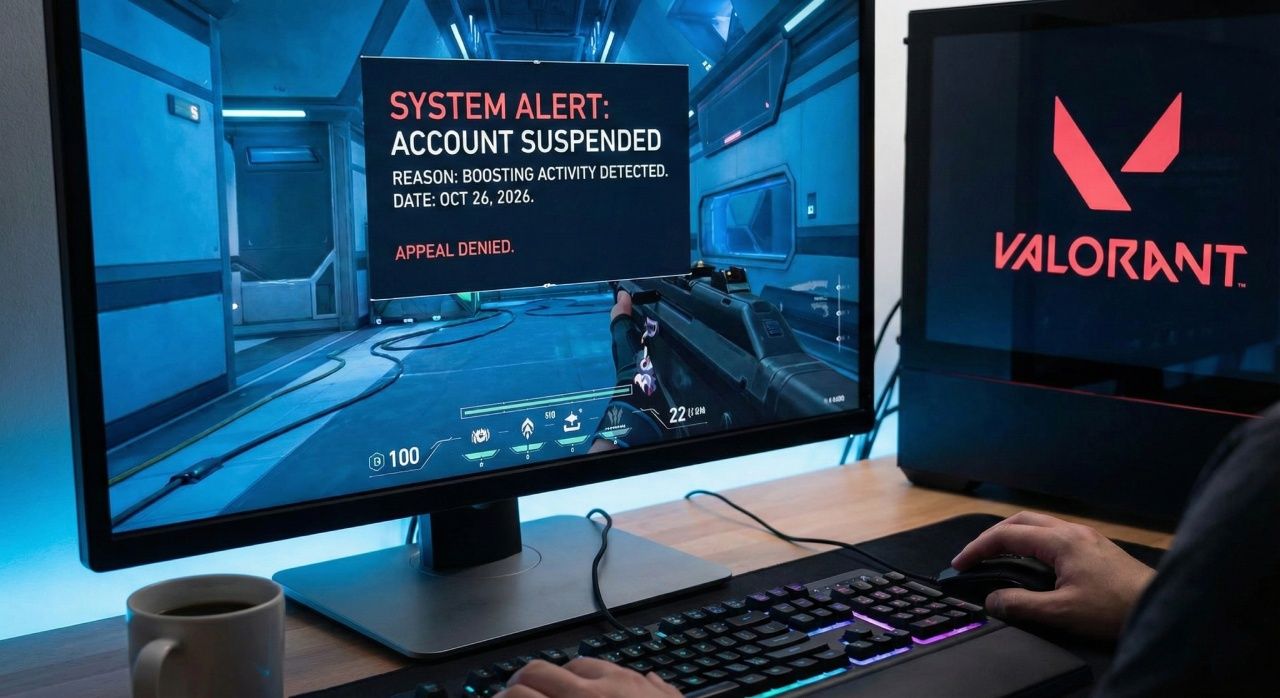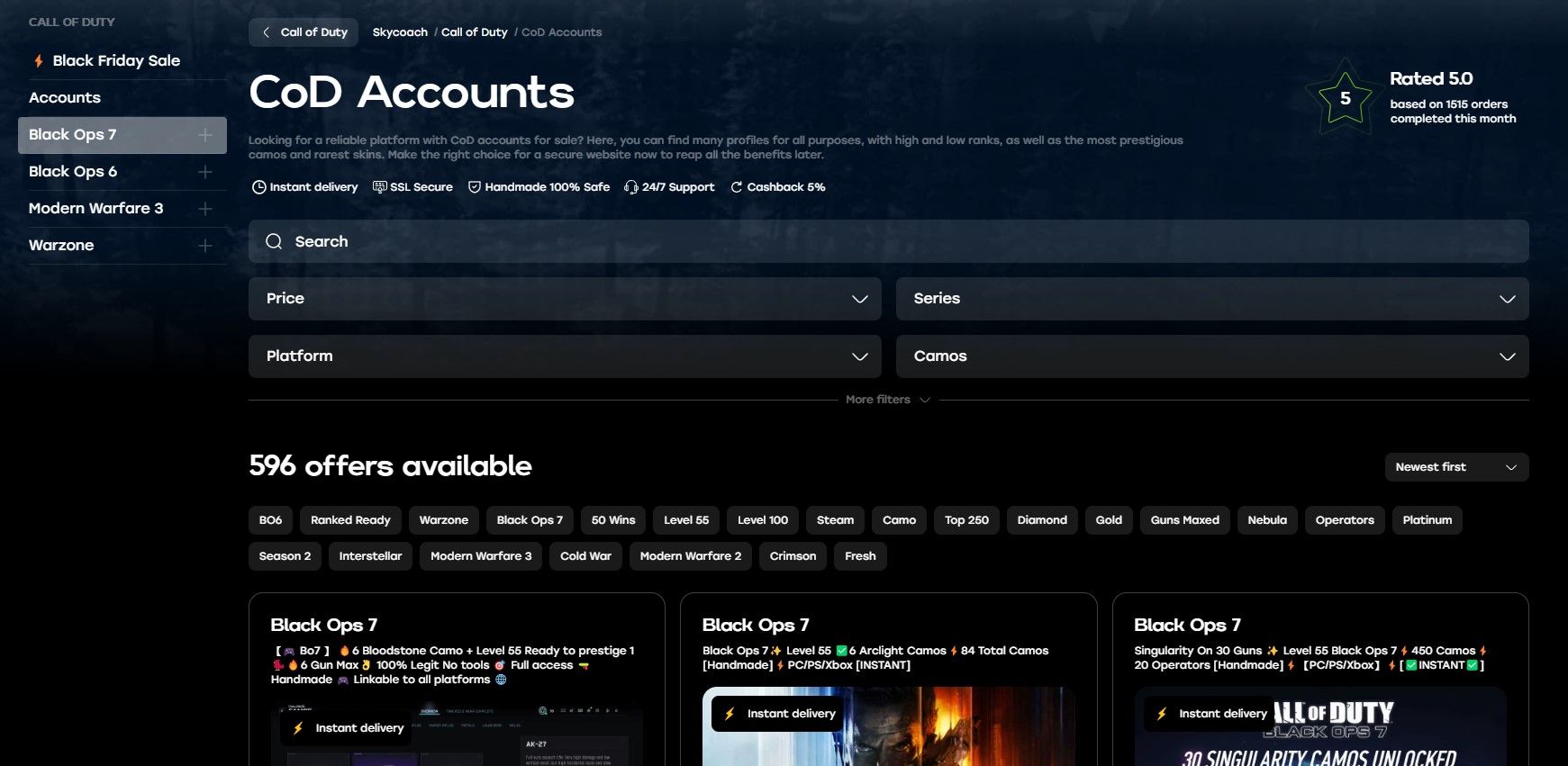
The world of competitive gaming has changed a lot over time, and with these changes come controversial practices that split the community. Boosting is when skilled players help others rank up artificially, while smurf accounts are secondary profiles created by experienced players to compete at lower skill levels.
These practices have become extremely popular in games like League of Legends, Overwatch, and Counter-Strike. Players spend real money on boosting services or invest time creating multiple accounts to achieve their goals. The gaming community is divided on whether these methods are legitimate strategies or unfair manipulation of ranking systems.
The debate revolves around a basic question: Do these practices improve or harm competitive integrity? Some people believe they offer valuable learning opportunities and flexibility, while others argue they ruin the experience for genuine players trying to improve naturally.
In this article, we'll explore both practices in detail. We'll look at why players engage in boosting and smurfing, what effects these actions have on the gaming community, and how they impact the overall ecosystem of competitive gaming. By understanding the motivations behind these practices and their consequences, you'll be better equipped to decide which path aligns with your own values as a player.
Understanding Boosting in Online Gaming
Boosting refers to the practice where skilled players artificially elevate another player's rank or level through direct gameplay assistance. This process typically involves two main approaches:
Account sharing: the booster logs into the client's account to play ranked matches.
Duo queuing: both players team up with the booster carrying the games.
How Boosting Works
The mechanics behind boosting are straightforward yet effective. A high-skill player either takes control of a lower-ranked account or partners with the account owner to secure victories in competitive matches. These wins accumulate ranking points, pushing the boosted account into higher tiers that the original player couldn't reach independently.
The Impact of Boosting
Rank increase through boosting creates immediate but artificial progression. Players can jump from bronze to diamond ranks within days or weeks, bypassing the natural learning curve that typically requires months of dedicated practice. Popular games like League of Legends, Overwatch, and Counter-Strike see thousands of boosting transactions monthly, with services ranging from $20 to $500 depending on the desired rank jump.
Effects on Competitive Balance
The impact on competitive balance becomes apparent when boosted players enter matches at their inflated rank. These players lack the game knowledge, mechanical skills, and decision-making abilities expected at their new tier. Their teammates face frustrating losses due to skill gaps, while opponents may experience easier victories against underperforming players.
Consequences for the Ranking System
Boosting creates a ripple effect throughout the ranking system:
Match quality deteriorates as the algorithm struggles to create balanced games when player ranks don't reflect actual abilities.
This mismatch affects win rates, queue times, and the overall competitive experience for legitimate players climbing the ladder naturally.
The Pros and Cons of Boosting
Advantages of Boosting
Boosting has several advantages that appeal to players who want to level up quickly in competitive ranks:
Skip repetitive content: Players can bypass lower ranks where gameplay becomes predictable and unchallenging.
Learn from high-level matches: By watching skilled players, boosters can gain insights into advanced strategies and decision-making.
Access exclusive rewards: Certain rank achievements come with unique rewards that can only be obtained through boosting.
Play with friends: Boosting allows players to join their friends who are competing at higher skill levels.
These benefits are particularly attractive to individuals with limited time for gaming but still desire recognition in competitive play.
Disadvantages of Boosting
However, boosting also has its downsides that impact the overall gaming community:
Teammates suffer: When boosted players fail to perform as expected, it puts additional pressure on their teammates during critical moments.
Opponents face inconsistent competition: The presence of boosted accounts creates unpredictable skill gaps, making it difficult for opponents to gauge the level of competition they will face.
Ranking systems lose accuracy: If ranking algorithms cannot accurately evaluate player abilities due to inflated ranks, it undermines the integrity of the system. This is particularly concerning as matchmaking systems may struggle to provide fair matches when boosted accounts distort player rankings.
Legitimate players get demotivated: Seeing others bypass the natural progression system through boosting can discourage dedicated players who put in the effort to improve.
Ultimately, boosting undermines the fundamental principle of fair matches between equally skilled opponents in competitive gaming. It can also lead to anxiety and performance pressure for boosted players as they struggle to maintain ranks beyond their actual capabilities, potentially driving them towards seeking further boosting services to avoid rank decay.
Exploring Smurf Accounts in Online Gaming
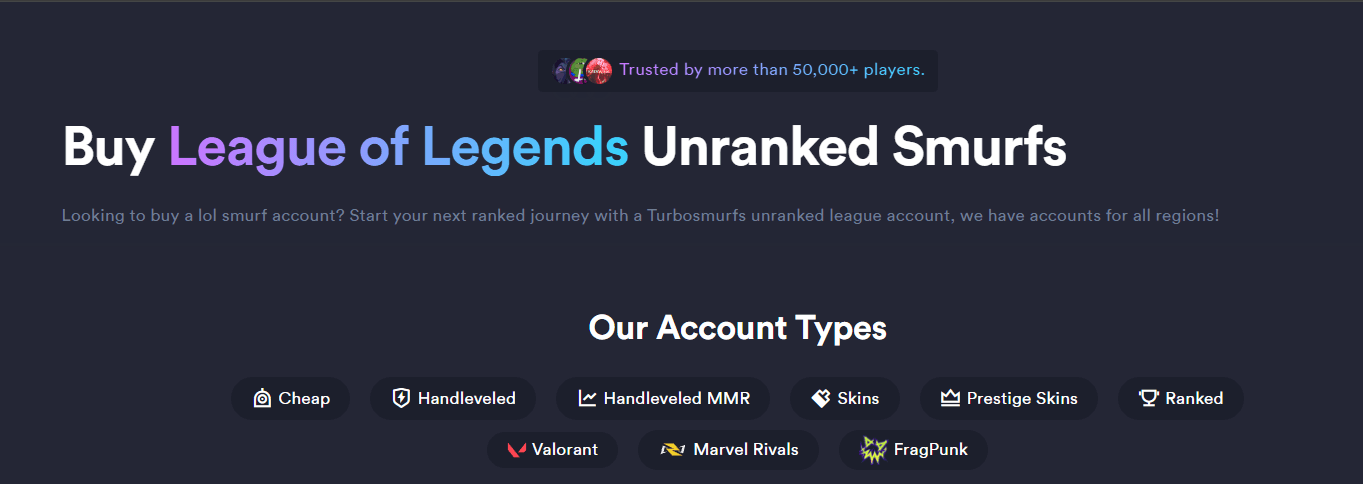
A smurf account is a secondary gaming profile created by experienced players to compete against opponents below their actual skill level. The smurf account definition focuses on this intentional skill level manipulation, where skilled gamers purposely start fresh with new accounts to avoid their established rankings.
These secondary accounts serve multiple purposes in the gaming ecosystem. Players create them to experiment with new strategies, characters, or playstyles without risking their main account's hard-earned rank. The fresh start allows them to learn mechanics they've never explored before, such as switching from support roles to aggressive damage dealers in team-based games.
Why players choose secondary accounts:
Practice without consequences - Testing new champions or strategies without rank penalties
Playing with friends - Matching lower-skilled friends' rankings for enjoyable group sessions
Stress-free gaming - Escaping the pressure of maintaining high-tier rankings
Content creation - Streamers and YouTubers demonstrating gameplay at various skill levels
Queue time reduction - Avoiding lengthy matchmaking waits common at higher ranks
The creation process usually involves starting completely over with a new email address and username. Players must go through initial tutorials, unlock characters or items again, and rebuild their profile from scratch. This reset gives them access to lower-tier matchmaking pools where their superior game knowledge and mechanical skills create significant advantages.
Some players justify smurfing as educational, claiming they help newer players improve through exposure to advanced techniques. Others see it as a way to maintain multiple accounts across different game modes or regions, each serving distinct purposes in their gaming routine.
The Motivations Behind Using Smurf Accounts
Players create secondary accounts for various reasons for using smurf accounts that go beyond just manipulating ranks. Understanding these motivations reveals the complex psychology behind this controversial practice.
Skill Development and Experimentation
Many experienced players use smurf accounts as training grounds for new characters, roles, or strategies. A Diamond-ranked player might create a smurf to learn support roles without risking their main account's ranking. This approach allows experimentation with unfamiliar gameplay mechanics while maintaining competitive integrity on their primary account.
Playing with Friends
Rank disparity creates barriers between friends who want to game together. When a Platinum player wants to queue with Bronze friends, many games prevent this matchup to maintain balance. Smurf accounts bridge this gap, enabling social gaming experiences that would otherwise be impossible.
Avoiding Queue Times and Restrictions
High-ranked players often face lengthy queue times due to limited player pools at their skill level. Creating lower-ranked accounts provides faster matchmaking and more frequent games. Some players also use smurfs to bypass penalties or restrictions on their main accounts.
Psychological Relief
Ranked anxiety affects many competitive gamers. The pressure to maintain high rankings can create stress that diminishes enjoyment. Smurf accounts offer a psychological escape valve where players can compete without the weight of their established reputation.
Content Creation
Streamers and content creators frequently use smurf accounts to produce "unranked to ranked" series or educational content. These accounts allow them to demonstrate skill progression while entertaining audiences with dramatic rank climbs.
Addressing the Issues with Smurfing in Online Gaming
The issues with smurfing extend far beyond individual player experiences, creating systemic problems that affect entire gaming communities. Matchmaking systems rely on accurate skill assessments to create balanced matches, but smurf accounts fundamentally break this mechanism. When experienced players create new accounts, they appear as beginners to the system, leading to severely mismatched games that can take dozens of matches to correct.
Impact on Matchmaking Systems
Smurf accounts force matchmaking algorithms to work overtime. These systems must constantly recalibrate as they detect the skill discrepancy, but this process often takes 20-30 games or more. During this period, the matchmaking system struggles to place the smurf appropriately, creating a cascade of unbalanced matches that affect multiple lobbies. This situation is similar to what was discussed in a recent League of Legends article about the challenges faced in matchmaking.
The ranking inflation caused by smurfs also distorts the entire competitive ladder. When skilled players consistently defeat lower-ranked opponents, they artificially boost those opponents' loss rates while climbing through ranks they should never have been placed in initially.
Player Experience Deterioration
Genuine lower-ranked players face the most significant impact from smurfing practices. A bronze-level player suddenly matched against a diamond-skill opponent experiences what feels like an insurmountable challenge. These encounters often result in:
Rapid defeats that provide no learning opportunities
Decreased motivation to continue playing ranked modes
Skill development stagnation due to overwhelming opposition
False performance metrics that don't reflect actual improvement
New players are particularly vulnerable, as repeated encounters with smurfs can drive them away from competitive gaming entirely. The psychological impact of consistently facing opponents far above their skill level creates a hostile learning environment that contradicts the intended progression system.
Comparing Boosting and Smurf Accounts
The differences between boosting and smurfing become clear when examining their core mechanics and intentions. Boosting involves elevating an account's rank through external assistance, while smurfing creates new accounts to play at artificially lower skill levels.
Key Distinctions
Direction of Movement:
Boosting pushes players upward beyond their natural skill level
Smurfing pulls experienced players downward to face weaker opponents
Account Ownership:
Boosting typically affects the player's main account
Smurfing requires creating and maintaining secondary accounts
Skill Development Impact:
Boosted players often struggle when forced to play at their inflated rank
Smurf users may actually improve through experimentation without rank pressure
Motivational Differences
Boosting appeals to players seeking status, rewards, or shortcuts to higher-tier gameplay. The motivation centers on achieving something beyond current capabilities.
Smurfing attracts players wanting stress-free gaming, practice opportunities, or the ability to play with lower-skilled friends. The motivation focuses on experiencing gameplay differently.
Impact on Competitive Integrity
Both practices damage matchmaking systems, but in opposite ways. Boosted accounts create skill gaps that hurt team coordination and match quality. Smurf accounts destroy the learning environment for newer players and skew statistical data used for matchmaking algorithms.
Boosting vs. Smurf Accounts: Which Is Right for You? Neither practice supports healthy competitive gaming. Boosting creates false expectations and inevitable disappointment. Smurfing undermines the community foundation that makes competitive gaming meaningful.
The Role of Game Developers in Addressing Boosting and Smurfing Issues
Game developers' response to boosting and smurfing has evolved significantly as these practices became more widespread. Studios recognize that maintaining competitive integrity directly impacts player retention and community health.
Detection Systems and Algorithms
Modern games employ sophisticated detection algorithms that analyze player behavior patterns. These systems flag accounts showing sudden skill spikes, unusual win rates, or inconsistent performance metrics. Riot Games uses machine learning to identify boosted accounts in League of Legends by examining gameplay patterns that don't match historical data.
Account Verification Measures
Developers implement various verification requirements to make creating multiple accounts more difficult:
Phone number verification - Linking accounts to unique phone numbers
Hardware fingerprinting - Tracking device-specific identifiers
IP address monitoring - Detecting multiple accounts from single locations
Identity verification - Requiring government ID for ranked play in some regions
Ranking System Adjustments
Many games now feature dynamic ranking systems that respond faster to skill discrepancies. Valorant's ranking system includes performance-based adjustments that can quickly move players to appropriate skill levels, reducing the effectiveness of both boosting and smurfing.
Penalty Structures
Enforcement varies by developer, but common penalties include:
Temporary or permanent account suspensions
Rank resets or adjustments
Restricted matchmaking pools
Hardware bans for repeat offenders
Some developers like Blizzard have implemented "smurf queues" that group suspected alternate accounts together, protecting genuine new players while allowing experienced players to compete among themselves.
Conclusion
The choice between boosting and smurf accounts extends far beyond personal gaming preferences. Each decision ripples through the gaming community, affecting matchmaking quality, competitive integrity, and the experiences of countless other players. Players who choose boosting may find themselves struggling in ranks they haven't earned, while those using smurf accounts contribute to unbalanced matches that frustrate newer players.
Better alternatives exist for skill development:
Practice modes and training grounds - Most games offer dedicated spaces to hone mechanics without affecting ranked play
Unranked matches - Play competitively without rank pressure
Coaching services - Learn from experienced players through legitimate instruction
Community tournaments - Find opponents at various skill levels in organized events
The gaming community thrives when fair play in online gaming remains the priority. Rather than seeking shortcuts or easy wins, consider how your choices impact the broader ecosystem. Building genuine skill takes time, but it creates lasting satisfaction and contributes to healthier competitive environments for everyone.
Your gaming journey should enhance both your experience and that of others sharing the virtual battlefield.