If you’ve played ranked in League of Legends, you know the routine. Some nights the matches are close, others spiral out of control before the ten-minute mark. The difference comes down to matchmaking. Riot’s system decides who you queue with and against, and that decision sets the tone for everything that follows.
In the modern era, the kind of accuracy that comes from matchmaking can have massive implications. This has led Riot to opt for replay tools and multi-factor authentication to ensure more legitimate competition. The matching formula may stay consistent but they can alter the way matches unfold. When competition is at the heart, trust is essential and expected to come standard.
Matchmaking and Competitive Balance
Riot’s matchmaking accuracy in 2025 matters not only for player experience but also for the broader esports ecosystem. Balanced games ensure that no team has an overwhelming advantage, preserving both fairness and the unpredictability that makes matches exciting. As Jovan Milenkovic notes in his guide on esports betting, game statistics and competitive balance are central to how odds are set, since markets rely on results that feel genuinely competitive. If matchmaking regularly produced lopsided results, both trust in the system and the appeal of betting on the outcomes would diminish. In this sense, Riot’s pursuit of fairness mirrors the wider principle seen in esports markets. Both depend on transparency, balance, and genuine competition to sustain confidence.
Replay systems, which launched in Valorant’s competitive modes earlier this year, add another layer of accountability. Players and analysts can revisit key moments, while multi-factor authentication cuts down on smurfing that once tilted matches unfairly. Together, these updates build confidence that games are decided by skill, not loopholes.
How Riot’s Matchmaking Works
Under the hood, matchmaking still revolves around hidden ratings that shift after every game. Win, and your rating climbs. Lose, and it drops. The goal is simple: place players in matches where each team has a fair chance of winning.
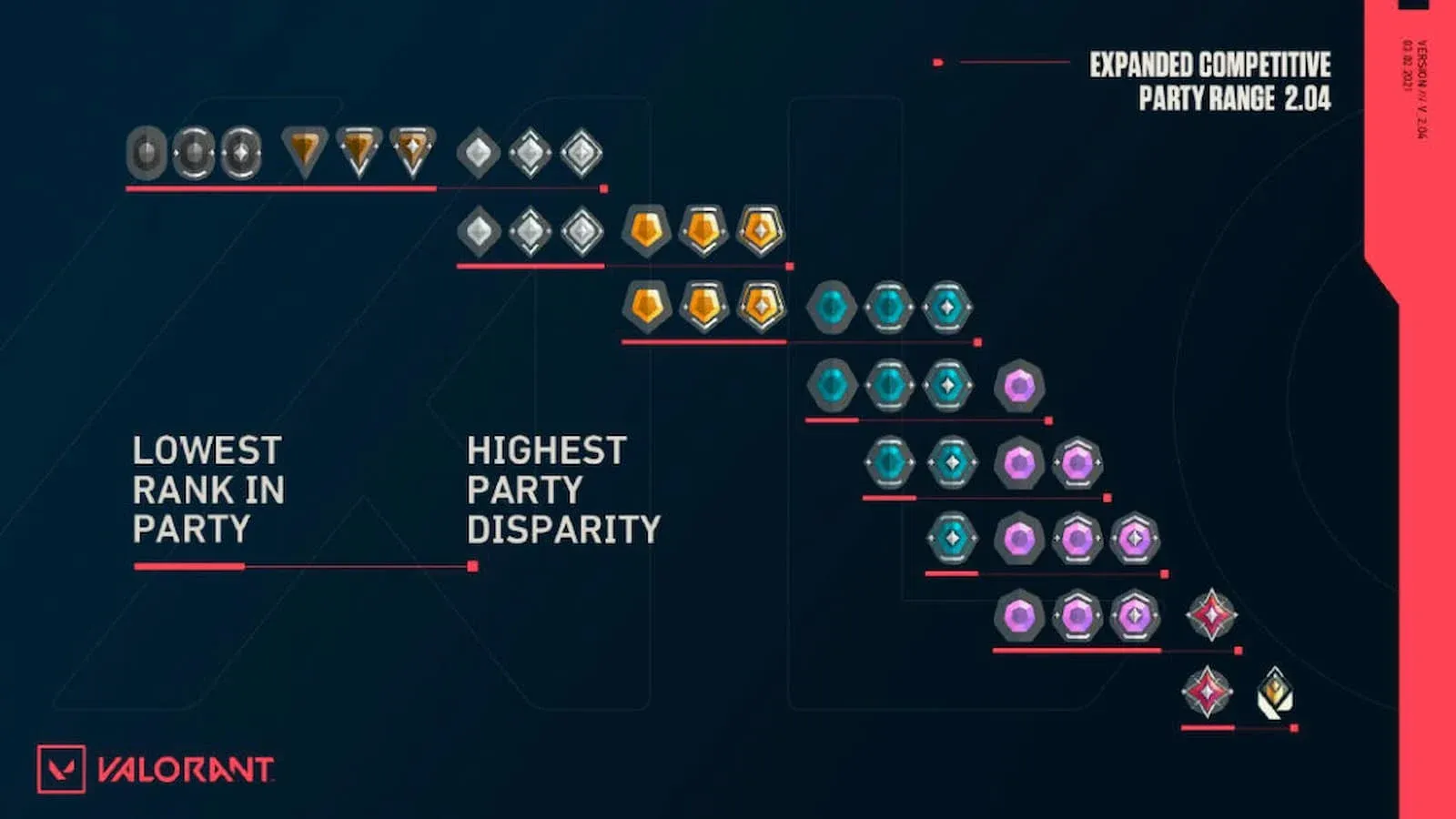
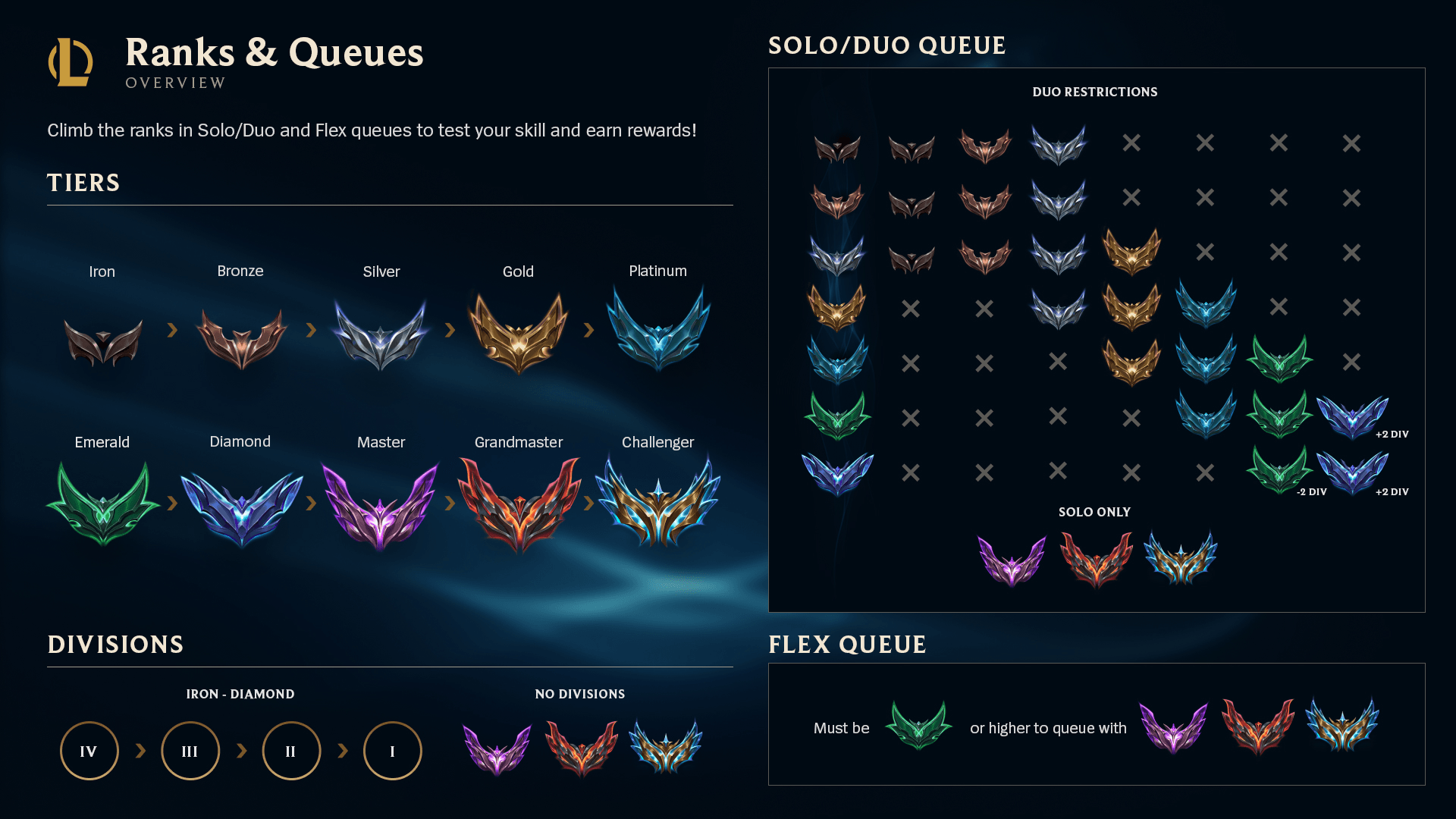
In 2025, Riot has indicated that matchmaking adjustments are aimed at reducing rating disparities, particularly by smoothing volatility during resets and improving how players are placed after breaks. Fewer players find themselves up against opponents way above or below their own tier. Autofill, long a sore point, is also less punishing. Players are dropped into off-roles less often, and when they are, the system tries harder to balance those matchups. Returning players benefit too. After time away, the system adjusts more gently, steering them toward a fairer win rate instead of throwing them straight into mismatched games.
Perhaps the boldest experiment is TrueSkill2, a new model Riot is testing in limited environments. Early signs suggest it adapts faster to real skill levels, making smurfs easier to spot and placements more accurate. It is not yet fully deployed, but it shows Riot is still looking for ways to sharpen matchmaking.
Match Accuracy and Ongoing Challenges
How accurate is the system? Riot looks at win-rate distribution, side balance, and overall match closeness. The company has pointed to progress in reducing red versus blue side disparities, a long-standing gripe in ranked.
Independent research echoes these efforts. Studies on team assignment frameworks stress that fairness comes from grouping players without extremes. Riot’s updates reflect those principles, but no system can guarantee perfection.
The real balancing act is between match quality and wait times. Stricter rating bands make matches fairer, but queues grow longer. Looser rules fill lobbies quickly, but at the cost of more lopsided results. Riot keeps adjusting the dials, and players notice the difference.
Impact on the Professional Scene
Matchmaking accuracy does not just matter for solo queue. It shapes the competitive pipeline. Challenger ladders remain where rising stars prove themselves, and if those games lose credibility, scouting falters. The addition of replays has helped here, giving coaches and players alike tools to review performance and ensure that results reflect genuine competition.
For viewers, fairness is part of the product. A match that feels even keeps audiences invested, while one-sided stomps erode trust. Accuracy at the ranked level filters upward, reinforcing the integrity of the professional scene.
Trust, Transparency, and Player Perception
Riot has also become more open about how it tweaks matchmaking. Developer posts outline changes to autofill, queue balance, and anti-inting systems. The formulas remain under wraps, but transparency helps players understand that the system is not static.
Technical improvements matter too. Riot’s engineering teams have outlined infrastructure updates that make queues smoother and results more consistent. These behind-the-scenes efforts may not grab headlines, but they add to the sense that matches are being handled fairly.
Still, perception is tricky. Players remember streaks of one-sided games more vividly than dozens of balanced ones. Even with data and transparency, winning trust is an ongoing battle.
A System Still Evolving
Riot’s matchmaking system will be far more accurate than in previous years. Rating gaps have narrowed, side balance has improved, and new experiments like TrueSkill2 show promise for the future. Replay tools and stronger account protections bolster the competitive environment, while clearer communication builds confidence. Riot’s system may not be flawless, but in 2025, it is accurate enough to support millions of matches a day, and it is still improving.