Riot Games, the developers behind League of Legends (LoL), Valorant, and Legends of Runeterra, has built a huge global fanbase with games that are technically free to play. But how does a company that offers free games generate billions in revenue each year? Riot Games has a carefully designed free-to-play (F2P) model that monetizes player engagement through micro-transactions, sponsorships, partnerships, and merch sales.
This business model is not unique to Riot Games; it mirrors how many other F2P industries operate, including social casino platforms and sweepstakes casinos. For example, progressivesweepslots offers a gambling experience without spending money, by allowing players to spin the slots with virtual coins purely for entertainment. Riot’s success shows that when a gaming experience is engaging enough, players are willing to spend money on in-game extras and game-related products.
Riot Games’ Business Model
Riot Games has diversified its revenue streams, resulting in a financially sound business operation that consists of in-game micro-transactions, partnerships with investors, sponsorships, and selling merchandise related to their titles.
Their free-to-play model lowers the entry barrier for millions of gamers while encouraging them to spend to customize their characters or gameplay in a way that won’t affect their competitive advantage. These types of games, called freemium games, differ from traditional subscription or one-time purchase models since they prioritize constant engagement.
The more engaged a player is, the more likely they are to spend money on cosmetic items, participate in seasonal events, or watch tournaments. These all funnel funds back to Riot Games.
Micro-Transactions
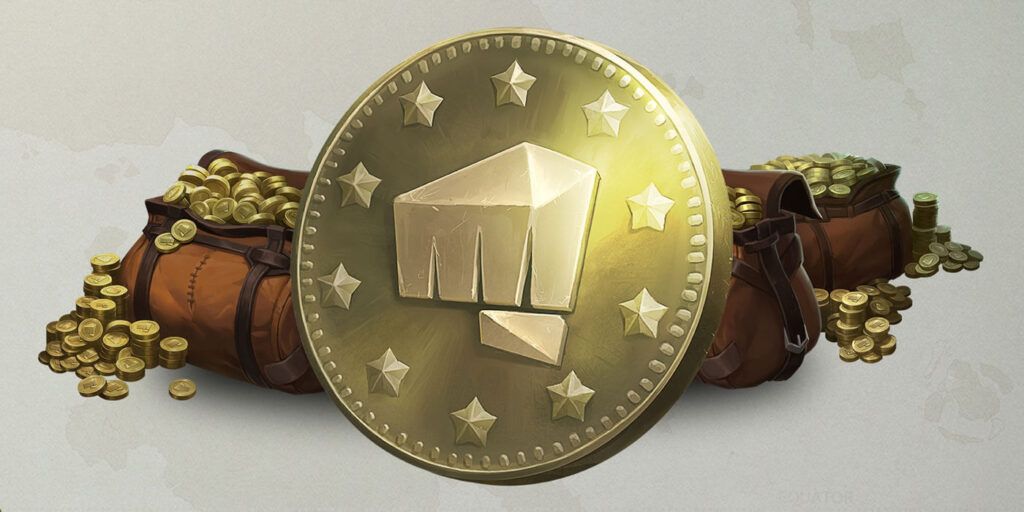
Riot Games has built its revenue model around micro-transactions. Players purchase in-game currency RP (previously called Riot Points) using fiat currency, and then use the RP to purchase skins, emotes, and cosmetic upgrades.
Skins allow players to change their character’s appearance or animations. They don’t offer a competitive advantage; they simply allow customization and personalization. These skins can be purchased in both LoL and Valorant.
Reportedly, League of Legends earns around $31 per second from these small transactions, amounting to $2.64 million a day.
Sponsorships and Partnerships
Esports sponsorships and strategic partnerships contribute significantly to Riot’s revenue. Riot Games is considered an industry leader in esports, hosting some of the biggest tournaments in the world, like the League of Legends World Championship.
Famous brands pay premium rates to be associated with these events, which attract millions of viewers each tournament. Sponsors include tech giants, gaming hardware manufacturers, and even Coca-Cola and Nike.
Partnerships go beyond global events and extend to in-game ads, co-branded content, and exclusive offers that tap into Riot’s user base.
Merchandise
Riot has monetized its intellectual property by producing an ever-expanding merchandise line. Players can purchase board games, collectibles, figurines, apparel, and accessories from their favorite games.
This revenue stream benefits from the emotional connection players have with game characters and lore. Riot has also expanded into entertainment media, with the hit show Arcane on Netflix further boosting brand recognition and product sales.
Riot Games’ Revenue Streams
Riot Games enjoys financial success because of how the company blends various income sources. Their revenue streams include:
In-game purchases
Event passes
Seasonal content
Sponsorships
Advertisements during esports tournaments
Media rights to broadcast tournaments
Merch sales
Licensing deals and spin-offs (like Arcane).
YouTube streaming views
This strategy has allowed Riot to receive income from various demographics, including casual fans, collectors, and competitive players.
Final Thoughts
Riot Games has turned free-to-play games into a billion-dollar industry. By combining exciting gameplay, esports, micro-transactions, brand deals, and merchandise, Riot has created a business model where they have various ways to make a profit, without charging players to start playing.
The model depends on an engaged gamer community that has reasons to spend money when they don’t have to pay to play. Player loyalty is almost literal gold in this case, and Riot Games has set the industry standards for how to monetize free entertainment in a way that doesn’t alienate their player base.