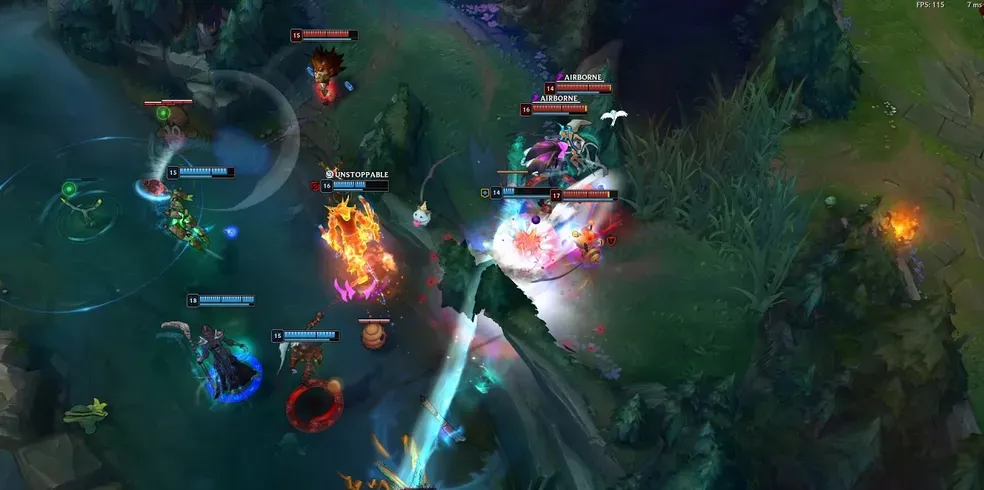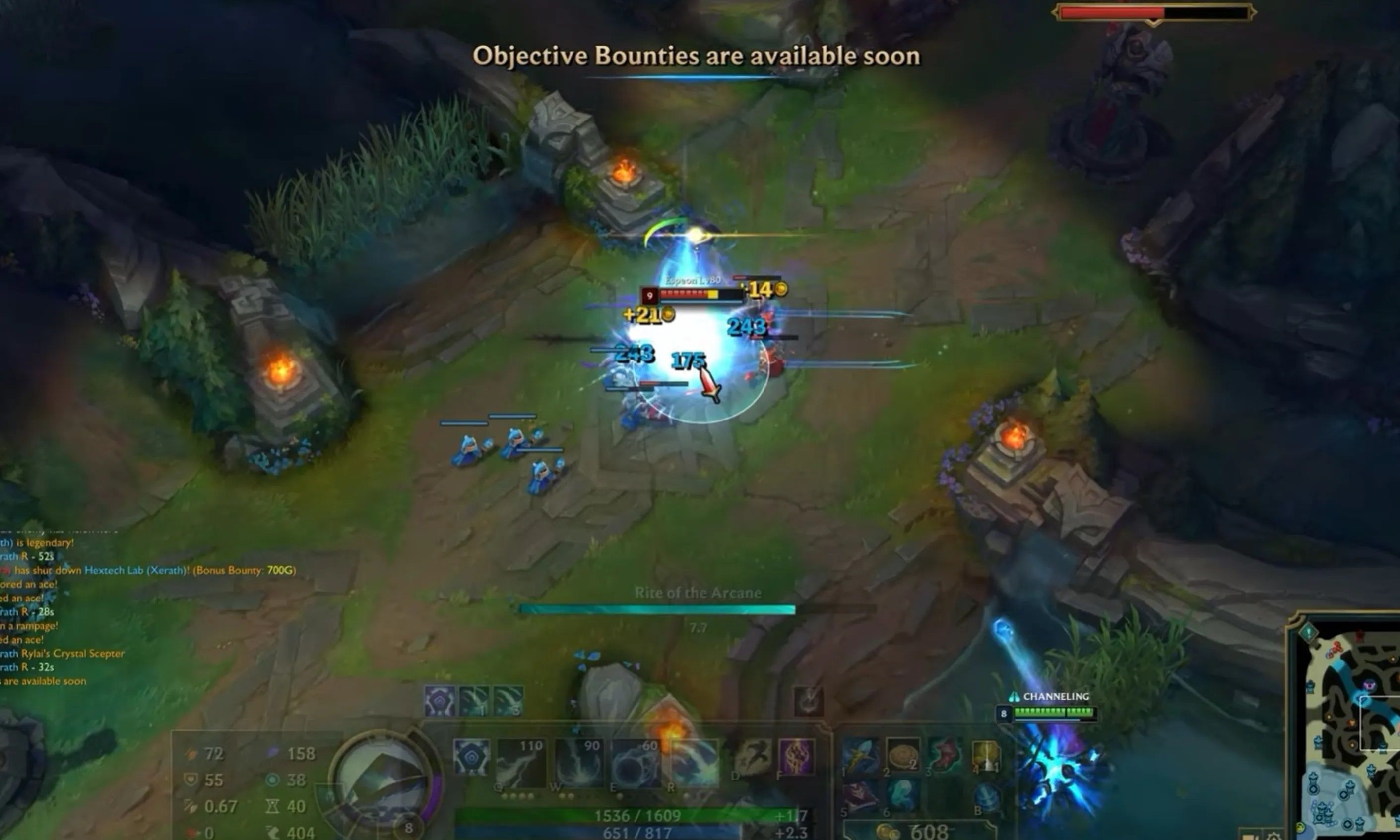

League of Legends sits in a category of games that reward long-term growth. Players climb when they learn to break patterns and sharpen their decisions. It feels fast on the surface, yet it runs on deep strategy. Many of the best habits come from places far beyond Summoner’s Rift.
Other strategy games share a lot of parallels. The games look different but share a mindset built on study and calm thinking under pressure.
A Growing Skillset in Strategy Games
League of Legends demands strong reactions. Yet the players who rise through the ranks build their success long before the laning phase begins. They form small goals and practice them until they feel natural. They learn to think one step ahead. That is the same mindset that fuels poker players who take the game seriously.
Poker has lived for generations and carries a strong tradition of study. Skilled players watch their own hands later. They look for mistakes. They spot habits that give away their intentions. They track progress. This kind of quiet reflection keeps them sharp and gradually try to work on their skills. People are able to do the same when it comes to analyzing replays. The huge surge in popularity of online poker has also shown that people can record their gameplay setup and go back to visit things that are going well – or not so well.
A similar pattern plays out in LoL. The best players dig into their replays. They look at one fight at a time. They ask what they could have done even if the play worked out in the end. Small adjustments build into a stronger player. Sometimes the lessons come from moments that seem minor. A missed ward. A wave taken too early. A fight that should have been avoided. Poker works the same way, and a seemingly harmless hand can reveal missing discipline. A tough spot can teach patience. Both games have the potential to reward this slow but steady approach.
Poker videos have also spread from other players. Some people choose to watch players in tournaments while others are just looking for comedic content!
Learning to Manage Pressure
Strategic games create pressure. League can shift fast when a team loses a fight around an objective. Many poker or chess players practice this by focusing only on the decisions they control. They try not to tilt. They learn to treat each hand like a new chapter with no emotional carryover. League players use similar skills when they reset after a tough play. One lost teamfight does not decide a match. One messy misplay in lane does not end a season.
The mental side grows with repetition. League builds it through constant movement. Yet many forms of strategy games reward the same calm approach in the end.
The Value of Game Knowledge
Poker players study odds and tendencies. They build a sense of what hands feel strong in a spot. They notice patterns in betting. They learn when aggression works and when a quiet fold saves them from trouble. League uses the same idea through champion knowledge, item timings, and map awareness. Learning matchups makes the top lane feel smoother. Jungle routes become smart choices rather than guesswork. A strong support knows when to roam because they read the flow of the game like a poker player reads the table.
When strategies shift, good players adjust. A champion buff can change the pace of a lane. A new build can turn a fight. Poker sees similar changes when styles shift, or new trends shape the field – there are also different varieties of poker that all have their specific differences. Flexible players stay ahead because they update their habits faster.
Breaking Down Mistakes
Watching replays is a huge part of high-level League play. It mirrors the way poker players review their hand histories. They look for spots that felt off. They check how they played pocket pairs or suited connectors. They look at pots they lost when they made the theoretical “right” decision. They look at the pots they won. LoL players do the same with small moments. A tower dive that went wrong. A roaming choice that wasted time or a fight that started too early.
This habit builds self-awareness. It teaches players to see the game with fresh eyes. They stop blaming bad luck and start seeing patterns that slow them down. With time, this becomes a normal part of the routine and getting better at League.
Training in Short Bursts
Both games offer space for small, focused sessions. Poker players often warm up with small drills like reviewing charts or running through mental notes. LoL players can run a few practice tool drills to work on combos or CS timing. This style of training works because it builds consistency. Players work on one skill at a time until it feels natural.
Patterns and Growth
The most important parallel between League of Legends and other Games is the long-term mindset. Improvement happens in steady waves. Players learn by trying new things and watching how they play out. They build small habits that add up. They learn to stay patient. They learn to trust the slow climb.
League rewards creativity and discipline. Poker rewards the same. Both games ask players to know themselves. The more self-aware the player becomes, the stronger their path forward.