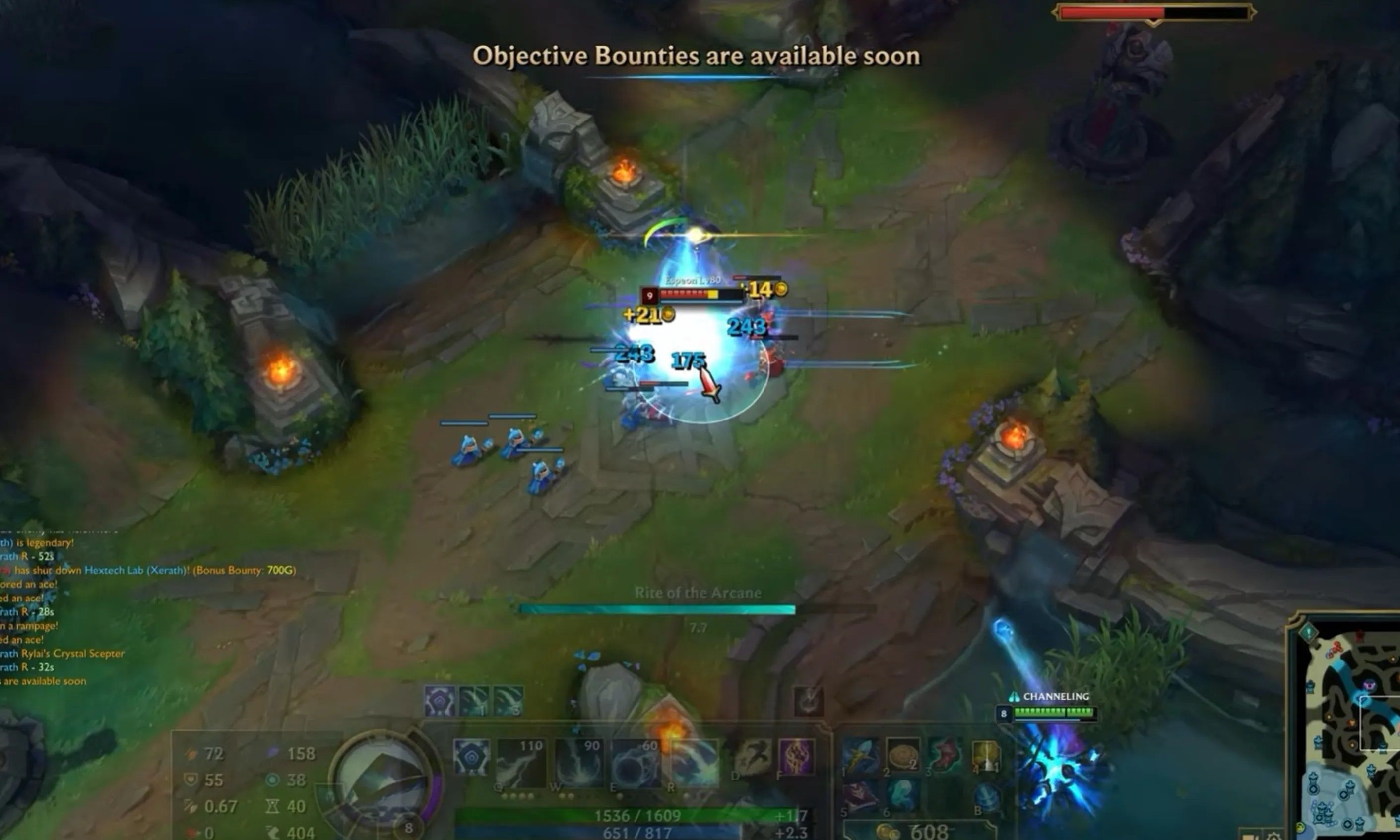
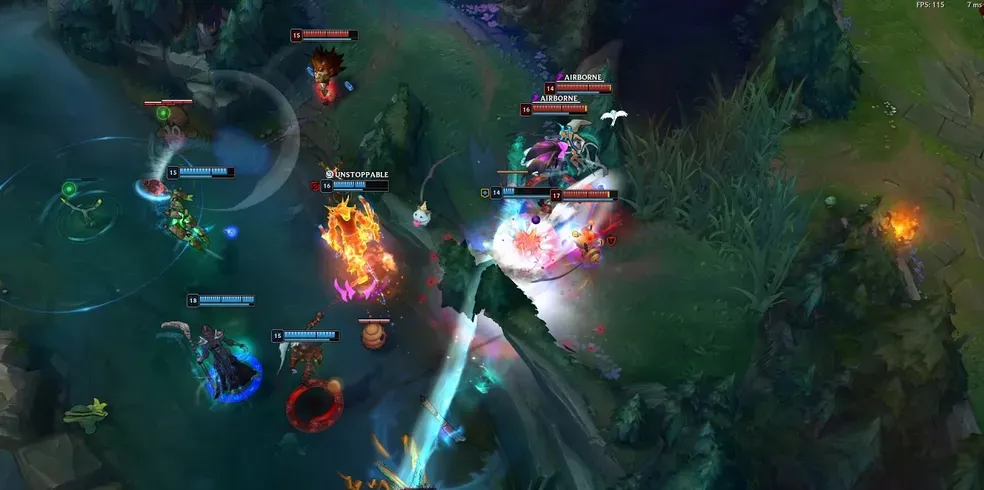
For over a decade, League of Legends (LoL) has been one of the most popular and competitive games in the world. Its blend of strategic depth, lightning-fast mechanics, and team-based coordination has shaped millions of players into tactical thinkers and sharp decision-makers. But what many LoL veterans don’t realize is just how transferable their skills are.
If you’ve spent countless hours climbing the ranked ladder, coordinating with your team, and mastering complex champions, you’ve already developed a toolkit that’s incredibly valuable in other game genres. From shooters to strategy titles and even casino games, the lessons learned on Summoner’s Rift go far beyond just League.
Strategic Thinking in Real-Time Strategy Games
League of Legends players are no strangers to multitasking and split-second decisions. Understanding the ebb and flow of a match, tracking enemy cooldowns, managing objectives, and rotating across the map are all forms of high-level strategic thinking.
This kind of situational awareness is crucial in real-time strategy (RTS) games like StarCraft II or Age of Empires IV. In these games, you're also required to manage resources, anticipate enemy movements, and execute timed attacks. LoL players often find RTS games familiar both require a mix of micro-level precision and macro-level strategy.
The emphasis on map control and vision in LoL, for example, closely resembles scouting in RTS games. Players who regularly ward jungle paths and read the minimap will likely have an edge in understanding fog-of-war mechanics and predicting enemy behavior in RTS environments.
Risk Management in Online Casino Games
Surprisingly, the mindset of a seasoned League player can also be useful in more casual settings, including online casino games. Whether you're spinning slots, playing poker, or making bets on roulette, the ability to assess risk and manage resources is key. Online wagering is growing in popularity, with more bettors choosing to play from home at new USA online casinos that offer immersive experiences and mimic real-life venues. League players can take advantage of their skill set and use these tools to master online casino games when playing from home.
Much like deciding whether to dive under a turret or contest a Dragon, casino games often reward players who know when to take a chance and when to walk away. Some modern online casino platforms even feature gamified slots or games with timing mechanics that mimic decision-making under pressure a natural fit for League veterans.
Mechanical Skill in First-Person Shooters
While League is played from an isometric point of view, it still demands incredible mechanical precision. Dodging skillshots, landing combos, and reacting quickly under pressure help refine your reflexes and muscle memory.
These reflex-based skills are incredibly useful in fast-paced shooters like Valorant, Apex Legends, or Counter-Strike 2. Though the perspective and weapons may be different, the underlying need for timing, hand-eye coordination, and spatial awareness is similar.
Additionally, the concept of positioning a major aspect of LoL also applies heavily to FPS games. Whether it’s holding a strong angle or knowing when to retreat, understanding positioning can often make the difference between winning and losing a gunfight.
Decision-Making in Turn-Based Strategy and Card Games
League of Legends teaches you to make calculated decisions under stress. Whether you’re deciding when to engage in a team fight or whether to take Baron, you're always evaluating risk versus reward.
This mindset translates well to turn-based games like Slay the Spire, XCOM, or card games such as Legends of Runeterra and Hearthstone. These games reward players who plan ahead, predict opponent moves, and understand probability all habits LoL players develop through repeated gameplay.
Especially in late-game LoL scenarios, players often weigh multiple possible outcomes and must quickly decide which route offers the best chance of success. That sort of logic is at the core of successful strategy card game play.
Team Communication in Multiplayer Co-Op Games
If you’ve ever played ranked League, you’ve likely experienced the highs and lows of team communication. Even when solo queuing, you’re constantly adjusting your playstyle based on your teammates’ strengths, weaknesses, and decisions.
This collaborative spirit applies perfectly to co-op games like Left 4 Dead, Deep Rock Galactic, Payday 3, or even MMORPGs like Final Fantasy XIV. In all these titles, successful gameplay hinges on teamwork, timing, and clear communication all pillars of high-level LoL play.
Veteran League players tend to excel in these environments because they’ve already developed the social and leadership skills necessary to coordinate under pressure, call out objectives, and rally a team to victory.
Learning Curve and Mastery in Complex RPGs
League of Legends is famously difficult to master. With over 160 champions, thousands of item combinations, and a constantly evolving meta, players are always learning and adapting.
This mentality carries over well into complex role-playing games (RPGs) like Path of Exile, Divinity: Original Sin II, or Baldur’s Gate 3. These games offer intricate builds, multiple skill trees, and varied combat mechanics. LoL players, already accustomed to studying patch notes and experimenting with new strategies, often thrive in RPG environments that reward deep understanding and creative problem-solving.
Even character builds in games like Elden Ring or Diablo IV feel familiar to League fans, especially those who love theorycrafting and min-maxing their champions.
Adaptability in New or Evolving Games
League players are used to change. Every few weeks, new patches shake up the game’s meta, requiring you to adapt your playstyle, try new champions, or find new item builds. This built-in flexibility makes LoL players highly adaptable to other games, particularly early-access titles or evolving competitive games that are still in development.
Whether it’s a new indie roguelike, an experimental shooter, or a PvP card battler, LoL players are often among the first to understand the game’s core mechanics, spot broken strategies, and climb the rankings just like they do on Summoner’s Rift.