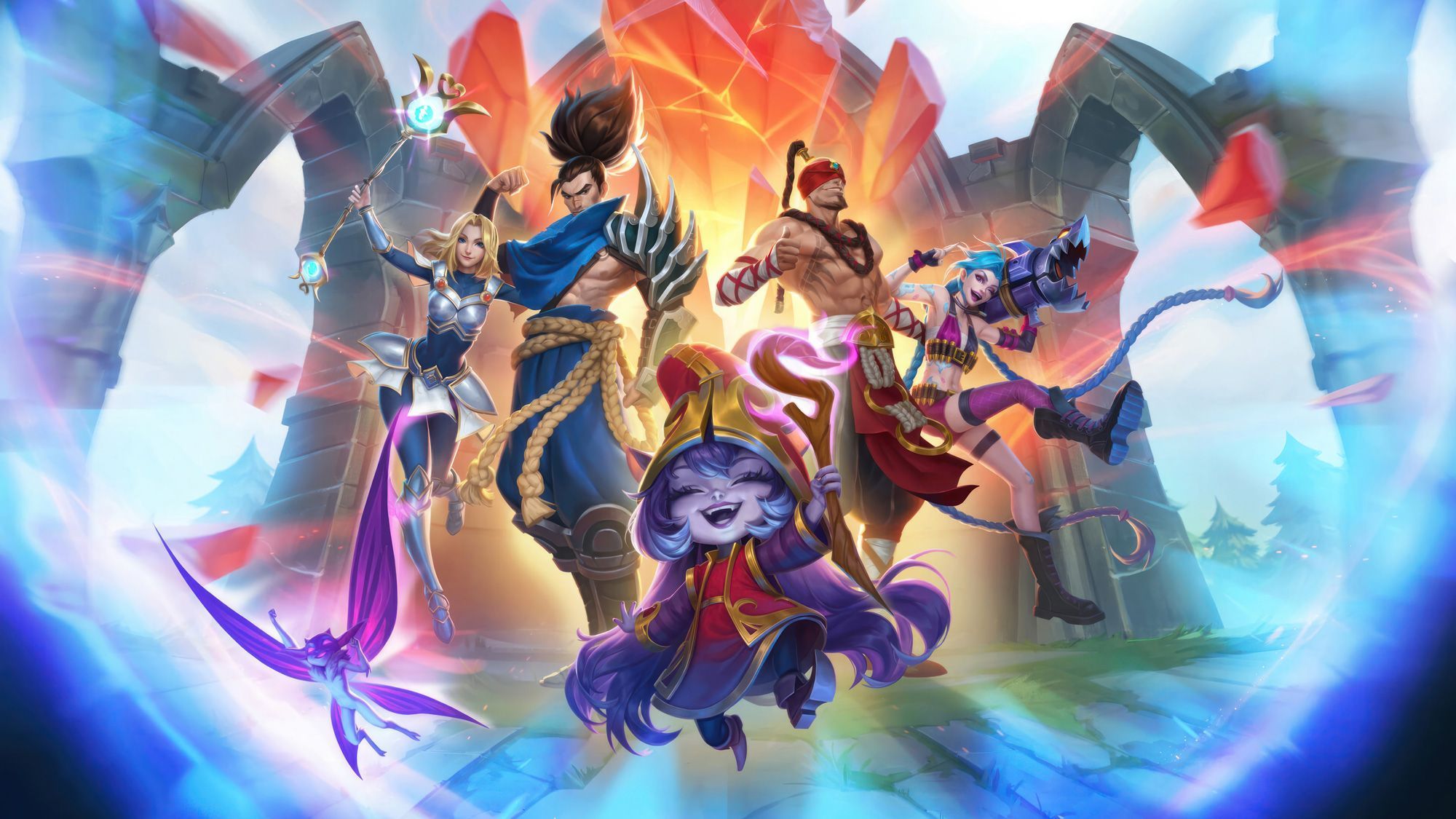
League of Legends first hit computers in 2009, and since then, its influence has spread well beyond the multiplayer online battle arena it originally housed. Gradually, ideas borrowed from the Summoners Rift layout have crept into shooters, card games, smartphone apps, and even the bright halls of some online casinos. A closer glance reveals LoL's signature on design choices, player chat, patch rhythms, and the way studios now treat communities as living entities rather than simple customers.
Systems That Keep Players Coming Back
One of the biggest things LoL brought into focus is how rewarding it feels to improve at something and unlock new stuff along the way. Ranked ladders, seasonal resets, and champion mastery levels keep players motivated. Other games saw this and started doing the same.
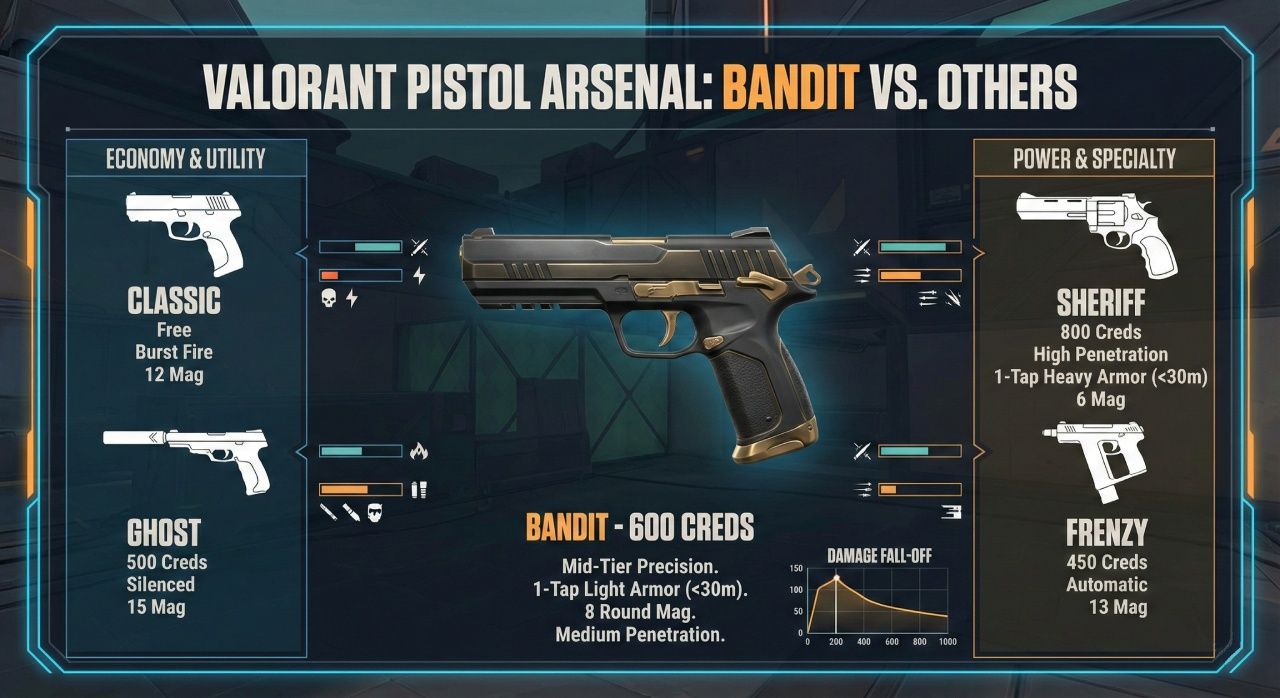
You can now find similar systems in shooters like Valorant or Overwatch, and even in mobile card games. The idea is simple: keep players engaged, offer regular goals, and reward skill. Even outside competitive games, this idea has caught on. For example, some casual games use similar unlock mechanics. You’ll even find versions of it in online casino games, especially in the way players stick with their favourite slots to chase achievements, levels, or daily bonuses. It’s not just about gameplay anymore; it’s about giving players a reason to return.
Memorable Characters That Matter
League of Legends nailed its champs in a way few games had dared. Each one comes with a move-set, sure, but the real hook is the snappy personality, the winking lore, and the mood-drenched art. Fans start to care less about win rates and more about who would share a drink at the Last Drop.
That spirit spilled over to other shooters almost overnight. Overwatch borrowed the playbook and fired off voice lines before the lobby settled. Valorant layered its agents with comics, stories, and yet more quips. Even Fortnite folded the idea into emotes and skins, turning a backflip into bonus lore with every drop.
Memorable characters don't just hold a match together. They drag the franchise into books, short films, and sweaty pop-up events. League taught the lesson, loud and clear.
Regular Updates Became the Norm
Back before League of Legends, most games shipped with a hard-coded finish line; once you beat them, there was little else to chase. Riot took the risk of never really closing the book. New champions drop, patches roll in, and events pop up out of nowhere. That endless motion has kept the scene feeling alive since 2009.
Fast-forward and live updates have basically become an industry mandate. Look at Apex Legends, or the Warzone and Destiny 2 crews, all of whom hinge on seasonal drops to snag attention. Each fresh batch of content makes the last one seem quaint almost overnight, and League sets that playbook in motion.
Those clockwork refreshes, therefore, do more than tweak numbers or slide in cosmetics; they carve out dates on the calendar that players share. Release days, teaser streams, emergency hot-fix notes (submit your own inside joke here) tie communities together in a recurring rhythm. Even the complaints get a kind of companionship when they are echoed with timing, patches, and all.
Competitive Gaming Took a Huge Step Forward
While LoL didn’t invent competitive gaming, it helped turn eSports into a major form of entertainment. Its world tournaments, weekly leagues, and huge online audiences showed developers that competitive play could be a big part of a game’s success.
Plenty of games followed. Now we see spectator modes, pro scenes, and ranked ladders built into all sorts of genres, from mobile games to strategy sims. eSports is no longer a side project. In many cases, it’s baked in from the beginning.
Riot also raised the bar for how these events look and feel. Other publishers have taken notes, making their own competitive scenes more polished and better supported.
Conclusion
In sum, League of Legends didn’t just make MOBAs popular; it helped shape how other games work. So, whether you’re unlocking champions, watching eSports, or spinning slots for a chance at a new bonus, you’re likely feeling the ripple effects of what LoL started.
Its influence is everywhere, even in genres that don’t seem connected on the surface. Game makers watched what worked and carried those ideas in new directions. Players, often without realising it, now expect features that were once unique to LoL.