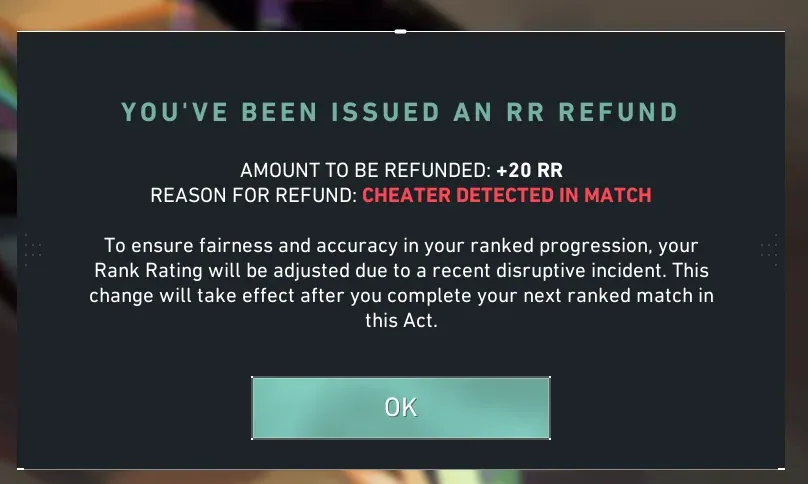
If you’re into competitive online games, you know how much of a problem cheaters can be and how often they appear to ruin the experience. Riot Games' Valorant has been leading the way in addressing this long-standing issue plaguing the industry. As part of Patch 10.05, introduced between March 18–19, 2025, Riot launched a feature known as Rank Rollback.
This system aims to restore equity in ranked games by repairing the damage caused by cheaters. Let's examine it step-by-step and explain why it matters.
Overview of the Cheating Problem in Valorant
Riot's anti-cheat team began work after the game's release in 2020, named “Vanguard” system, a kernel-level anti-cheat tool that has banned over 3.6 million accounts already.
However, despite these efforts, cheating persists, despite Riot banning thousands of players in a single enforcement wave in January 2025 alone. The impact is significant: losing to a cheater can cost players not just a game but rank progress, win streaks, and morale. Even worse, some players knowingly queue with cheaters in
order to benefit from their unfair advantages.
Understanding these difficulties, Riot chose to transcend banning and implement a system to reverse the harm that cheaters have done. It’s not necessary to emphasize how important fair play is, and especially in cases where the players invest more than just time, like with casino and luck-based games. Aware of these problems, operators like WOW Vegas implemented the necessary systems to ensure player safety as well as to prevent underage people from accessing them while also providing registration bonuses and codes at ActionNetwork.
How Rank Rollback Works?
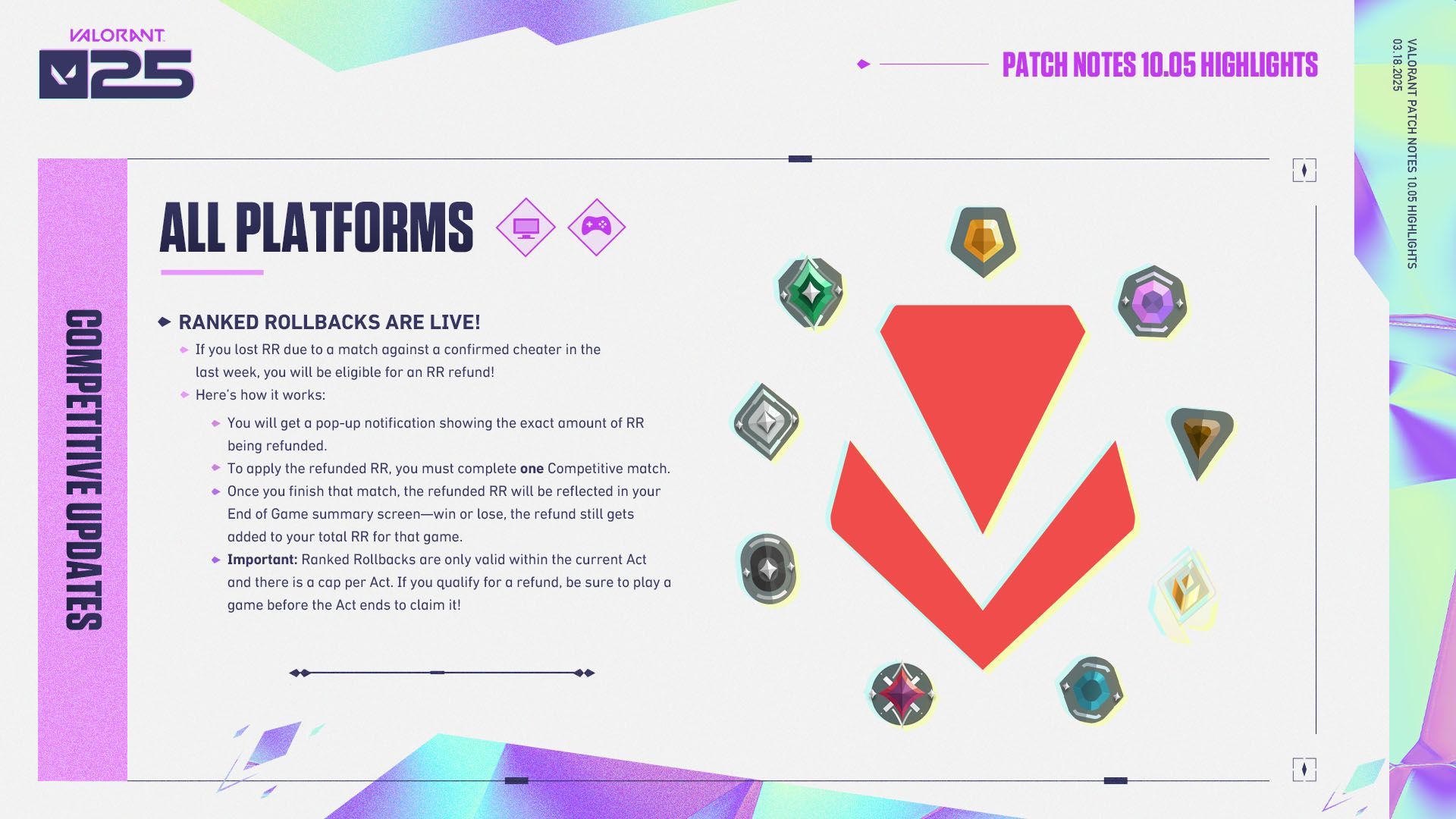
Rank Rollback is the newest mechanism for reversing the impact of cheating in Valorant, previewed earlier in the year and having finally landed with Patch 10.05. Its function is straightforward yet effective: returning lost Rank Rating (RR) to players who have been impacted by cheating games.
How It Works
1. Cheater Detection: When Vanguard identifies a cheater in a game, either automatically or upon manual review, the game is flagged.
2. Rank Restoration: The losing team member’s RR is restored for the particular match.
3. Notification System: Once the cheater's account has been banned, the affected players are notified with the details of their refunded RR.
4. Refund Claims: Players must play at least one Competitive match in the same Act to claim their rollback.
5. Limitations: Refunds are limited per Act to avoid inflation or exploitation.
Interestingly, the players on the same team as the cheater do not lose RR from that game or gain any other extra advantages, so overall a noble idea.
How Is This Different from Other Games?
Rank Rollback isn't exactly new; other competitive games have used similar programs.
Ubisoft's Rainbow Six Siege, for instance, added its own rollback system in 2020. Similar to Valorant, it refunds lost MMR (Matchmaking Rating) for matches that were disrupted by cheating.
Rainbow Six's system has been faulted for being slow to process rollbacks and for not detecting cheaters to begin with. Riot's Vanguard system, nonetheless, seems to be effective because of its kernel-level access and strong detection algorithms. This enables Valorant to detect and ban cheaters faster than most competitors.
Rank Rollback takes this ecosystem to the next level by targeting not only the existence of cheats but also their impact on others.
The Effect on Competitive Integrity
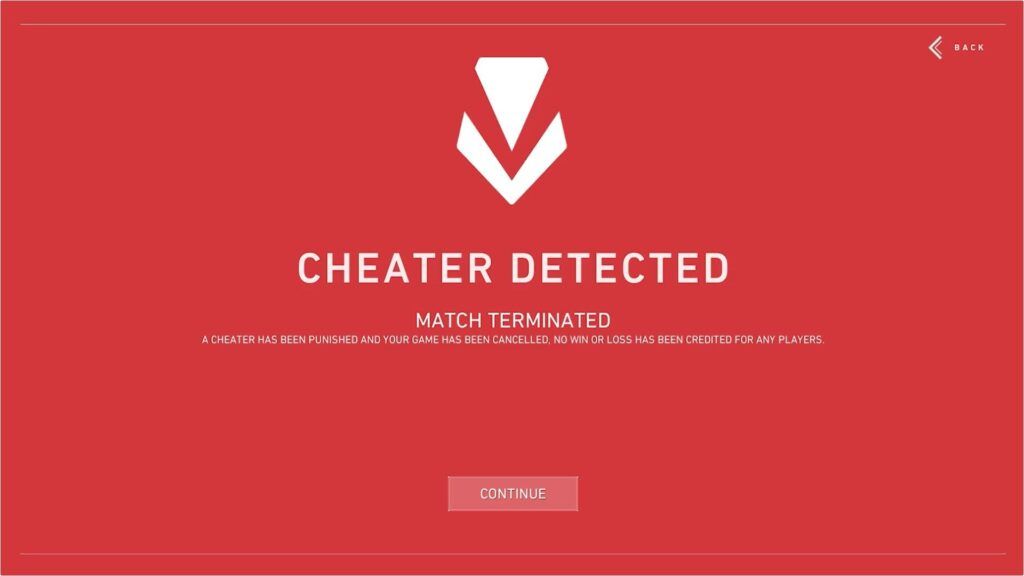
Rank Rollback, as already mentioned, doesn't merely penalize cheaters but actively lessens their impact on actual players. The two-fold strategy here, prevention through Vanguard and remediation through rollback, demonstrates Riot's commitment to competitive integrity.
Cheating is a comparatively minor problem in Valorant, with only 0.3% of players being multi-reported for suspicious gameplay, according to Riot's own statistics. But even this small percentage can have an inordinate impact on ranked play through the snowballing consequences of unfair losses.
What’s next?
Though Rank Rollback is a step in the right direction, it's not a cure-all. Cheating will probably be an ongoing issue as hackers constantly evolve and find methods and holes to bypass the anti-cheat.
Riot's aggressive countermeasures, ranging from taking legal action against cheat creators to continually updating Vanguard, show that they're committed to evolving and escalating their efforts.
Meanwhile, Rank Rollback gives hope to players frustrated with unfair losses. It reiterates that every game matters and that Riot is listening to its community's concerns.
As other games observe how popular this feature is, it can become the new norm on how competitive games deal with cheating. At the end of the day, Rank Rollback isn't so much about numbers or ranks, it's about trust. Trust that your hard work is going to be rewarded in a fair way and that cheaters won't get the last word in your play experience.